




Author: Diana Foster


Ashby is pulling mid-market companies away from Greenhouse with faster product shipping, native analytics, and pricing that makes sense for growing teams.

Runway’s AI video tools are pulling budget from Adobe Premiere’s creator base by replacing production steps with generative workflows at a fraction of the cost.

Sardine’s behavioral fraud detection is pulling fintech clients away from Stripe Radar by solving the problems Radar wasn’t built for: synthetic identity fraud, AML compliance, and pre-transaction risk.

Tome’s AI pitch-generation features are targeting Beautiful.ai’s core sales user base – and the switching costs are low enough to make it a real threat.

Brex has quietly repositioned from startup card to mid-market finance platform, and it’s directly threatening the customer base Ramp needs to justify its valuation.

Attio is quietly pulling startup customers away from HubSpot with a flexible data model, predictable pricing, and a product built for founder-led sales motions.
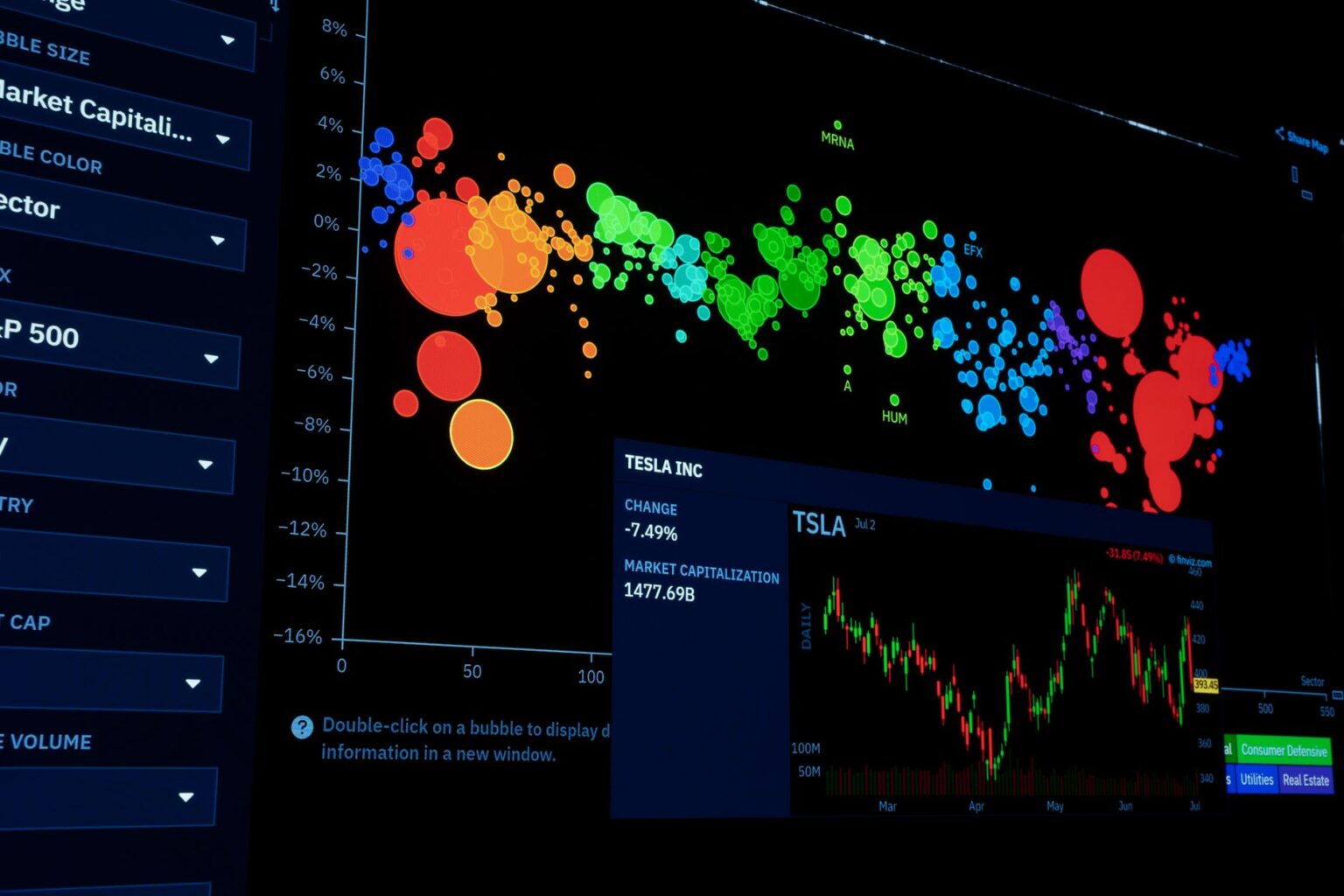
ThoughtSpot’s embedded analytics faces growing competition from Omni’s API-first architecture, which is winning over developer teams building product analytics.

Exa’s neural search API is pulling agent developers away from Tavily by offering embeddings-based retrieval that handles complex, semantic queries better than keyword matching.

Glean’s AI-powered enterprise search is challenging Guru’s knowledge base model by making search ambient rather than destination-based. Here’s how the battle is unfolding.

Perplexity’s publisher revenue share program sounds like a deal for media outlets. For Axios, whose business depends on direct ad sales to premium audiences, it may be quietly draining the commercial model.