







Amazon’s latest privacy overhaul for Alexa devices is sending ripples through the smart home market, fundamentally changing how consumers approach voice-activated technology in their most intimate spaces. The company’s recent introduction of automatic deletion settings, enhanced voice recognition controls, and granular data management options represents the most significant shift in smart speaker privacy since the technology’s mainstream debut.
The changes come after years of mounting pressure from privacy advocates and regulatory bodies, particularly following high-profile incidents where Alexa devices accidentally recorded private conversations. Amazon’s response has been comprehensive: users can now set recordings to automatically delete after three or 18 months, create voice profiles that prevent others from accessing personal information, and receive detailed breakdowns of what data Amazon collects and stores.
These updates arrive as the global smart speaker market reaches a critical inflection point, with over 320 million devices now installed in American homes according to industry research. The timing isn’t coincidental – Amazon is betting that enhanced privacy controls will accelerate adoption among the remaining holdouts who’ve resisted bringing always-listening devices into their homes.

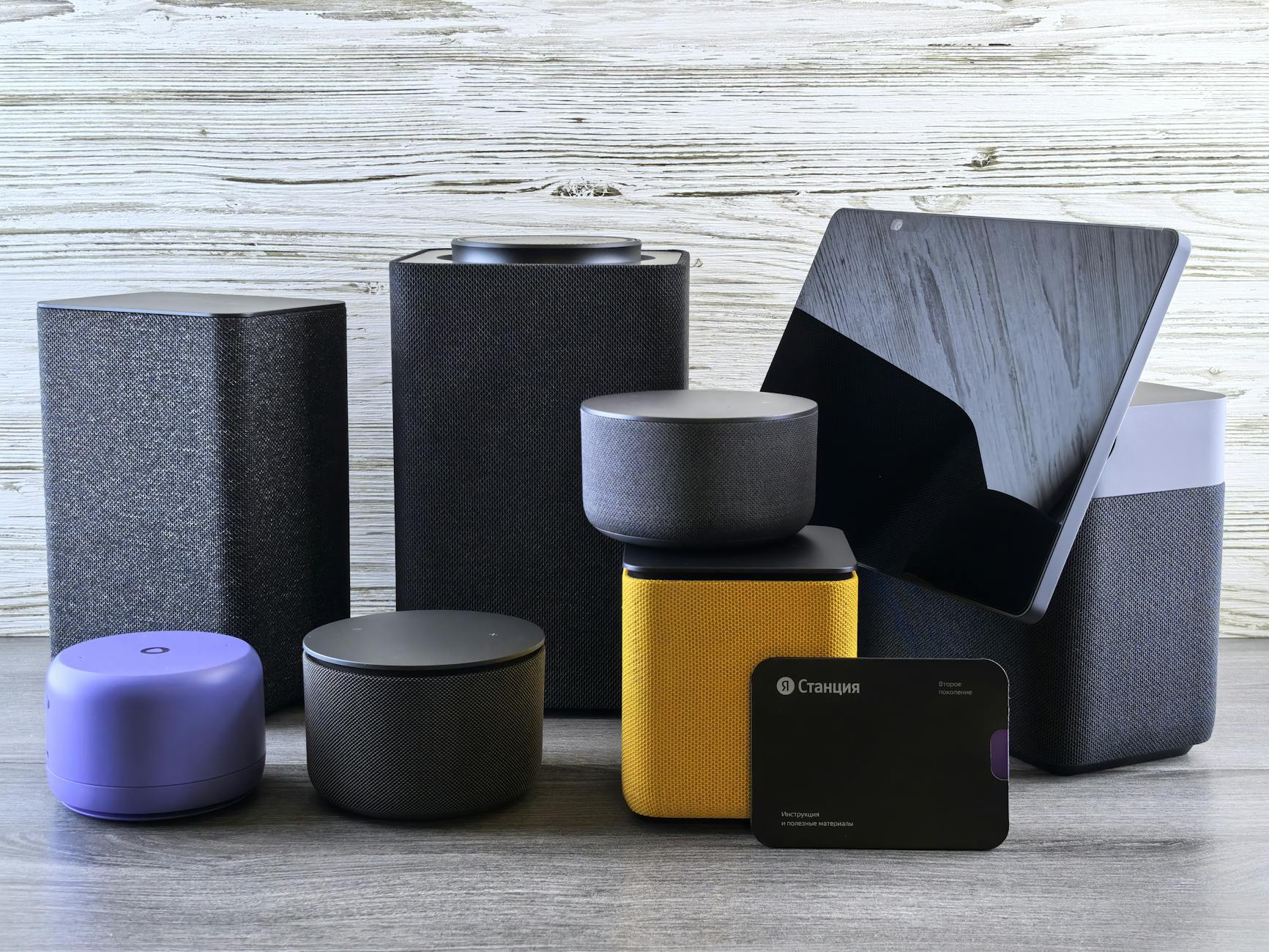
The Trust Barrier Finally Cracks
Privacy concerns have consistently ranked as the top barrier preventing smart home adoption, with surveys showing nearly 60% of non-users citing data collection fears as their primary hesitation. Amazon’s privacy pivot addresses these concerns head-on, offering users unprecedented control over their voice data.
The automatic deletion feature represents perhaps the most significant change. Previously, Alexa recordings were stored indefinitely unless users manually deleted them through the app – a process most consumers never discovered. Now, recordings can be automatically purged on a rolling basis, with Amazon making the 18-month deletion option the default for new accounts.
Voice profiles have also evolved dramatically. The updated system can distinguish between household members and restrict access to personal information like calendar events, shopping lists, and message history. This addresses a major privacy gap that previously allowed anyone within earshot of an Alexa device to potentially access another user’s private data.
The enhanced transparency dashboard provides users with detailed insights into their data usage patterns. Users can now see exactly how often their device activates, which voice commands triggered recordings, and how Amazon uses their data to improve services. This level of granular control represents a stark departure from the previous black-box approach to data handling.
Market Response and Competitive Pressure
The privacy updates have triggered immediate responses from Amazon’s competitors. Google has accelerated development of similar features for its Nest devices, while Apple has leveraged the moment to highlight its existing on-device processing capabilities for Siri requests. The competitive landscape has shifted from pure feature rivalry to privacy-first messaging.
Early adoption data suggests Amazon’s strategy is working. Smart speaker sales have increased 23% quarter-over-quarter since the privacy features rolled out, with Amazon capturing the largest share of new customers. Industry analysts attribute this growth directly to reduced privacy anxiety among consumers who previously avoided smart home technology.
The changes have also sparked innovation in adjacent markets. Smart home device manufacturers are rushing to implement similar privacy-focused features, recognizing that consumer expectations have permanently shifted. Companies building everything from smart thermostats to security cameras are now prioritizing local data processing and user control over cloud-based analytics.
Traditional technology adoption patterns suggest that privacy-conscious consumers often serve as bellwethers for broader market trends. Similar to how Apple’s App Store privacy changes forced the mobile industry to reconsider data collection practices, Amazon’s Alexa updates are establishing new baseline expectations for smart home privacy.


Technical Implementation Challenges
Behind the user-facing privacy controls lies a complex technical infrastructure overhaul. Amazon has invested heavily in edge computing capabilities, processing more voice commands locally on devices rather than sending every interaction to cloud servers. This approach reduces data transmission while improving response times, creating a win-win scenario for privacy and performance.
The voice profile separation technology required significant advances in machine learning algorithms. Amazon’s engineers had to solve the challenge of distinguishing between different speakers in real-time while maintaining accuracy across diverse accents, speech patterns, and household environments. The solution involved training neural networks on massive datasets of voice samples while implementing strict data minimization principles.
Automatic deletion presented its own technical hurdles. Amazon had to redesign its data storage architecture to support rolling deletions without impacting service quality. The system now maintains anonymized aggregate data for service improvement while purging personally identifiable voice recordings according to user preferences.
The transparency dashboard required building entirely new data visualization tools that could translate complex backend processes into user-friendly interfaces. Amazon created APIs that track data usage across all services connected to Alexa, from music streaming to smart home device control, providing users with comprehensive insights into their digital footprint.
Industry-Wide Implications
Amazon’s privacy pivot extends far beyond smart speakers, influencing broader conversations about data ownership in connected homes. The success of these features has emboldened privacy advocates to push for similar transparency requirements across all IoT devices, potentially reshaping regulations governing smart home technology.
The changes have also impacted Amazon’s business model calculations. While detailed user data previously drove targeted advertising and product recommendations, the company is now investing in privacy-preserving analytics techniques that maintain commercial value while respecting user preferences. This shift toward differential privacy and federated learning represents a significant technical and strategic evolution.
Third-party developers building Alexa skills have had to adapt their applications to work within the new privacy framework. Amazon now requires explicit user consent for data collection and provides developers with privacy-compliant alternatives for common functions like personalization and analytics.
The ripple effects extend to smart home device manufacturers who integrate with Alexa. These companies are updating their own privacy policies and technical implementations to align with Amazon’s new standards, creating a cascading effect of privacy improvements across the entire ecosystem.
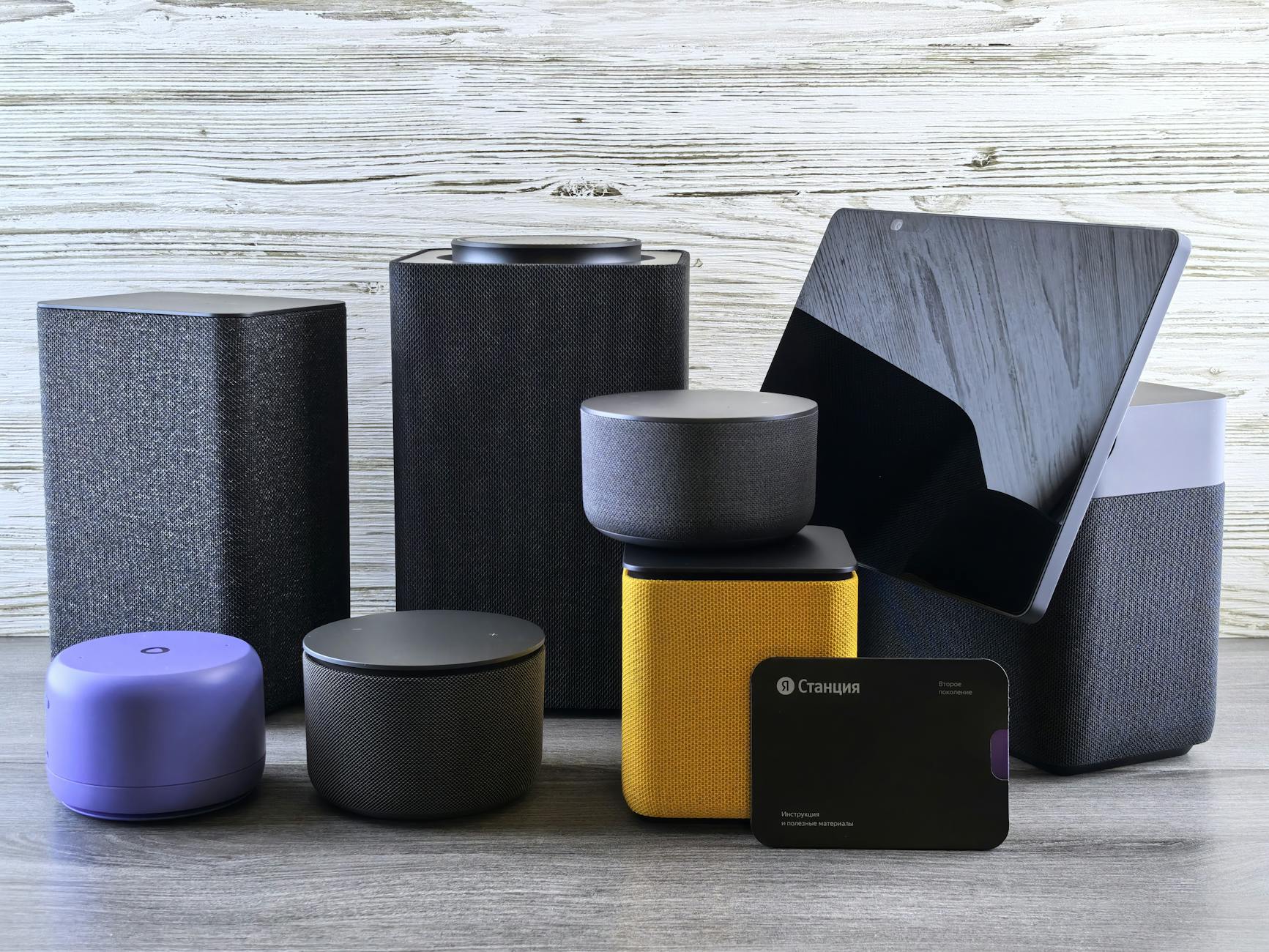
The success of Amazon’s privacy-focused approach signals a fundamental shift in consumer expectations for smart home technology. As privacy controls become standard rather than premium features, the industry is entering a new phase where data protection drives innovation rather than hindering it. This evolution suggests that the future of smart homes lies not in choosing between convenience and privacy, but in technologies that deliver both seamlessly.
The broader implications extend beyond individual purchasing decisions to shape regulatory frameworks and industry standards. As consumers demonstrate their willingness to adopt smart home technology when privacy concerns are adequately addressed, the path forward becomes clear: privacy-first design isn’t just good ethics, it’s good business.
Frequently Asked Questions
What are Amazon’s new Alexa privacy features?
Amazon now offers automatic recording deletion, voice profile separation, and detailed data usage dashboards for Alexa users.
How do these privacy changes affect smart home adoption?
The updates have reduced privacy concerns, leading to a 23% increase in smart speaker sales as hesitant consumers enter the market.