






Spotify’s latest monetization updates have left thousands of independent podcast creators scrambling to adapt their revenue strategies. The streaming giant’s shift toward favoring exclusive content and premium subscriptions is reshaping the podcast landscape in ways that could determine which creators survive the next phase of audio content evolution.
The changes, rolled out over the past six months, include modifications to the Spotify Ad Manager, new requirements for monetization eligibility, and algorithm adjustments that prioritize shows with higher production values and consistent publishing schedules. For indie creators who built their audiences on scrappy, authentic content, these updates represent both a challenge and an opportunity to professionalize their operations.

The New Monetization Landscape
Spotify’s updated Creator Fund now requires podcasters to maintain a minimum of 1,000 unique listeners per episode over a 60-day period, up from the previous threshold of 500. The platform has also introduced stricter content guidelines for monetized shows, including requirements for consistent audio quality and regular publishing schedules.
These changes mirror broader industry trends where platforms increasingly favor professional content over amateur productions. The move aligns Spotify more closely with YouTube’s creator economy model, where higher barriers to entry often result in more sustainable revenue for creators who meet the requirements.
“We’re seeing a clear push toward professionalization,” says Sarah Chen, a podcast marketing consultant who works with over 200 independent creators. “Spotify wants content that competes with traditional media, not bedroom recordings.”
The platform has also expanded its subscription options, allowing creators to offer premium content behind paywalls. This feature, similar to Patreon’s model, enables podcasters to generate recurring revenue from dedicated listeners. However, Spotify takes a 5% commission on subscription revenue, plus payment processing fees.
Impact on Independent Creators
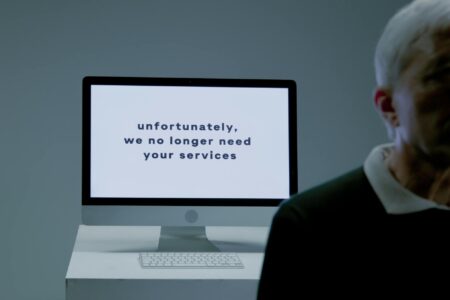
The monetization changes are creating a two-tier system among independent podcasters. Creators with established audiences and consistent production schedules are reporting increased revenue opportunities, while smaller shows are struggling to meet the new requirements.
Marcus Rodriguez, who hosts a weekly show about urban gardening, saw his monetization status revoked when his listenership dipped below the new threshold during a summer hiatus. “I had to completely rethink my content strategy,” Rodriguez explains. “Now I batch record episodes and maintain a strict publishing schedule, even when life gets busy.”
The algorithm changes are particularly challenging for niche podcasters. Shows covering specialized topics like local history, hobby crafts, or academic subjects often struggle to reach the listener thresholds required for monetization, despite having highly engaged audiences.
Conversely, creators who’ve adapted to the new requirements are seeing benefits. The platform’s improved analytics tools provide more detailed listener data, helping creators understand their audience demographics and optimize content timing. The subscription feature has been particularly successful for educational podcasters and those offering exclusive bonus content.


Adaptation Strategies
Independent creators are developing various strategies to navigate the new landscape. Many are forming podcast networks or collectives to pool resources and share production costs. Others are diversifying their revenue streams beyond Spotify’s ecosystem.
The rise of cross-platform publishing has become essential. Creators are simultaneously distributing content across Apple Podcasts, Google Podcasts, and newer platforms like Clubhouse and Discord to reduce dependence on any single platform’s monetization policies. This strategy mirrors how independent app developers are adapting to changing platform policies, spreading their presence across multiple distribution channels.
Community building has emerged as a critical success factor. Creators who maintain active social media presence and engage directly with listeners are more likely to retain audience loyalty during platform transitions. Some podcasters are leveraging LinkedIn’s creator tools to build professional audiences, similar to strategies outlined in professional content creator programs.
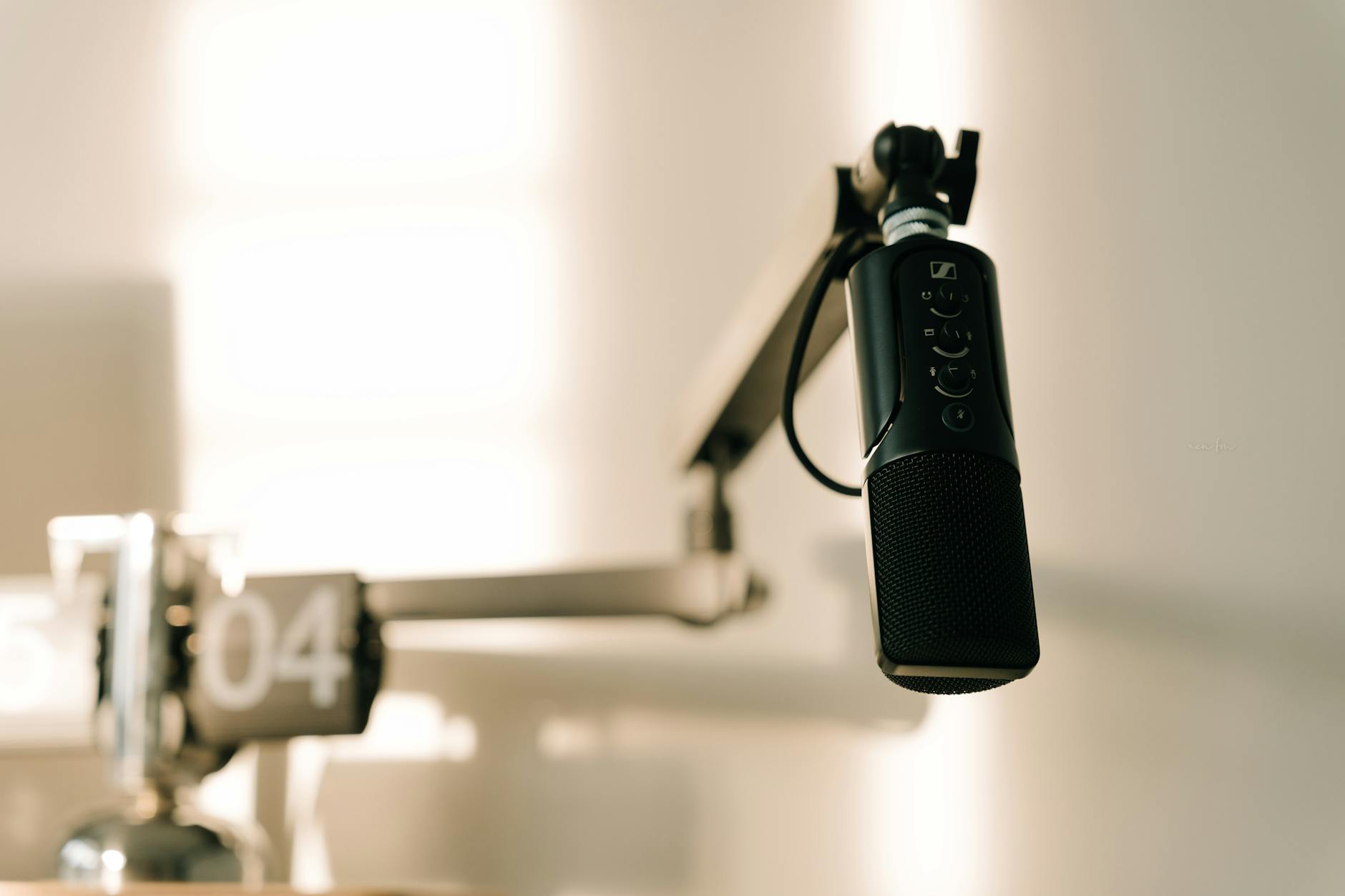
Technical improvements are also becoming necessary. Independent creators are investing in better microphones, editing software, and sound treatment to meet Spotify’s quality standards. While this represents an additional cost barrier, creators who make these investments report improved listener retention and engagement metrics.
Looking Forward
The podcast industry’s evolution toward higher production values and professional standards reflects broader changes in digital content creation. As advertising dollars shift from traditional media to digital platforms, the competition for creator attention intensifies.
Spotify’s changes signal the platform’s intention to compete directly with traditional radio and premium audio content. This positioning could benefit creators who successfully adapt, potentially offering revenue opportunities that exceed what was previously possible through independent podcasting.


However, the changes also raise questions about diversity and accessibility in podcast creation. Higher barriers to monetization could reduce the variety of voices and perspectives in the medium, particularly affecting creators from underrepresented communities who may lack resources for professional equipment and marketing.
Industry observers predict that other major podcast platforms will implement similar requirements as the medium matures. The key for independent creators will be building sustainable business models that don’t rely solely on platform-specific monetization features.
The next six months will likely determine which independent creators successfully navigate this transition. Those who can balance authentic content creation with professional production standards while building diversified revenue streams are positioned to thrive in the evolving podcast ecosystem.
Frequently Asked Questions
What are Spotify’s new podcast monetization requirements?
Creators need 1,000+ unique listeners per episode over 60 days, plus consistent quality and publishing schedules.
How are independent podcasters adapting to these changes?
Many are forming networks, diversifying platforms, improving production quality, and building stronger community engagement.