







When AI Becomes the Camera Crew
Runway ML built its reputation in design and creative communities as a tool for experimentation – the kind of software that art school graduates and music video directors used to generate abstract visuals on a weekend. That reputation is now changing. The company’s Gen-2 and Gen-3 Alpha video generation models have gotten sharp enough, fast enough, and controllable enough that a different kind of customer is paying attention: small film studios with real budgets and real deadlines.
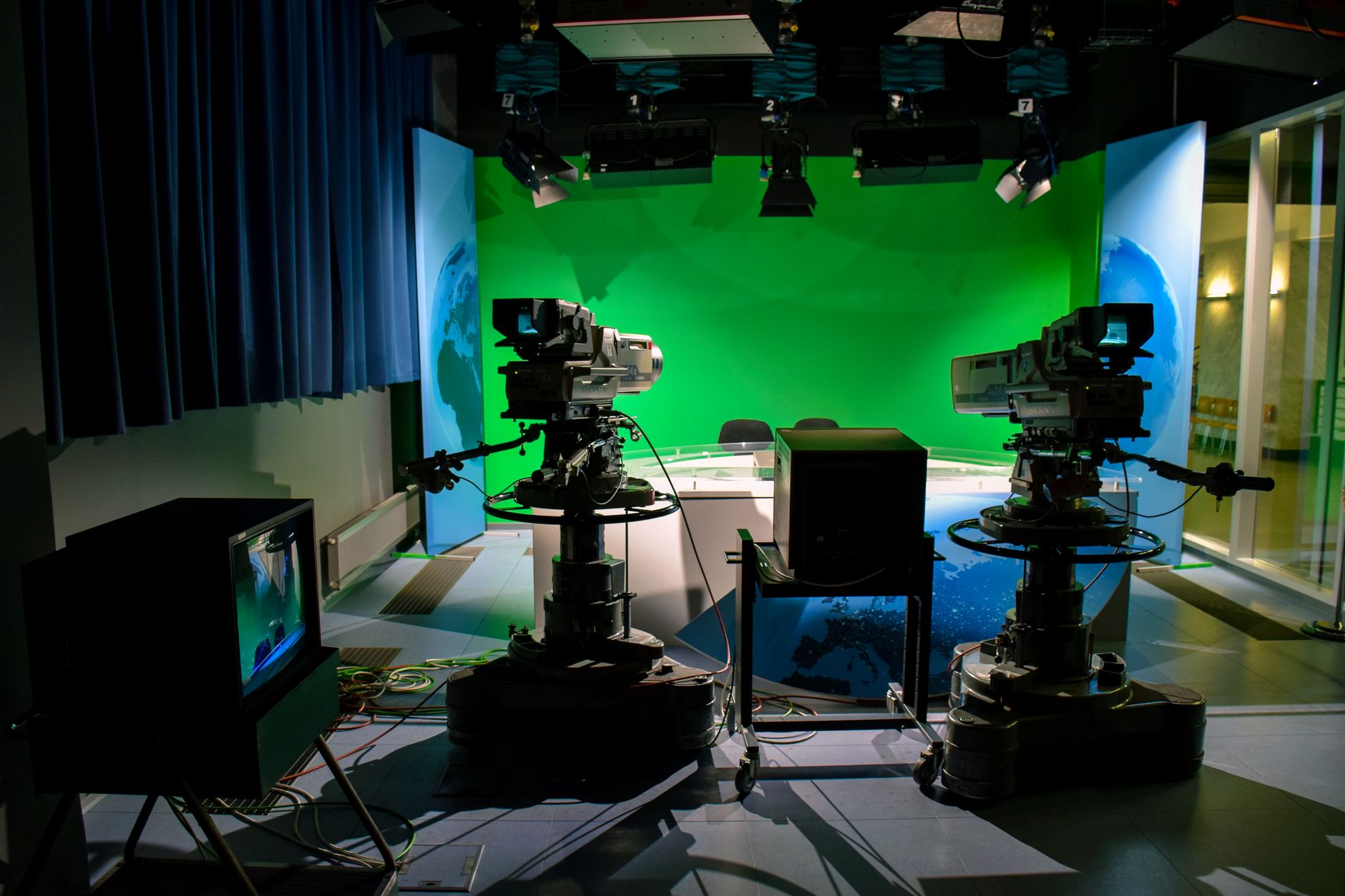
Indie studios operate in a financial reality that major production houses don’t have to think about. A mid-tier streaming project might allocate $800,000 to $2 million for production, and a meaningful slice of that disappears into location scouting, second-unit filming, and visual effects work that never makes it into the final cut. These are the costs that don’t show up on screen but do show up on the balance sheet.
Runway’s pitch, stripped to its core, is that some of those costs can now go away.

What Runway’s Tools Actually Do for Film Production
The platform’s video generation capabilities have evolved well beyond the choppy, artifact-heavy outputs that made early AI video a punchline in professional circles. Gen-3 Alpha, released in mid-2024, handles camera motion, lighting consistency, and subject tracking at a quality level that starts to blur the line between generated footage and location shoots – at least for specific use cases. Establishing shots of cityscapes, background plates for composite work, transitional sequences, and stylized dream or memory sequences are all areas where indie filmmakers are reporting usable results.
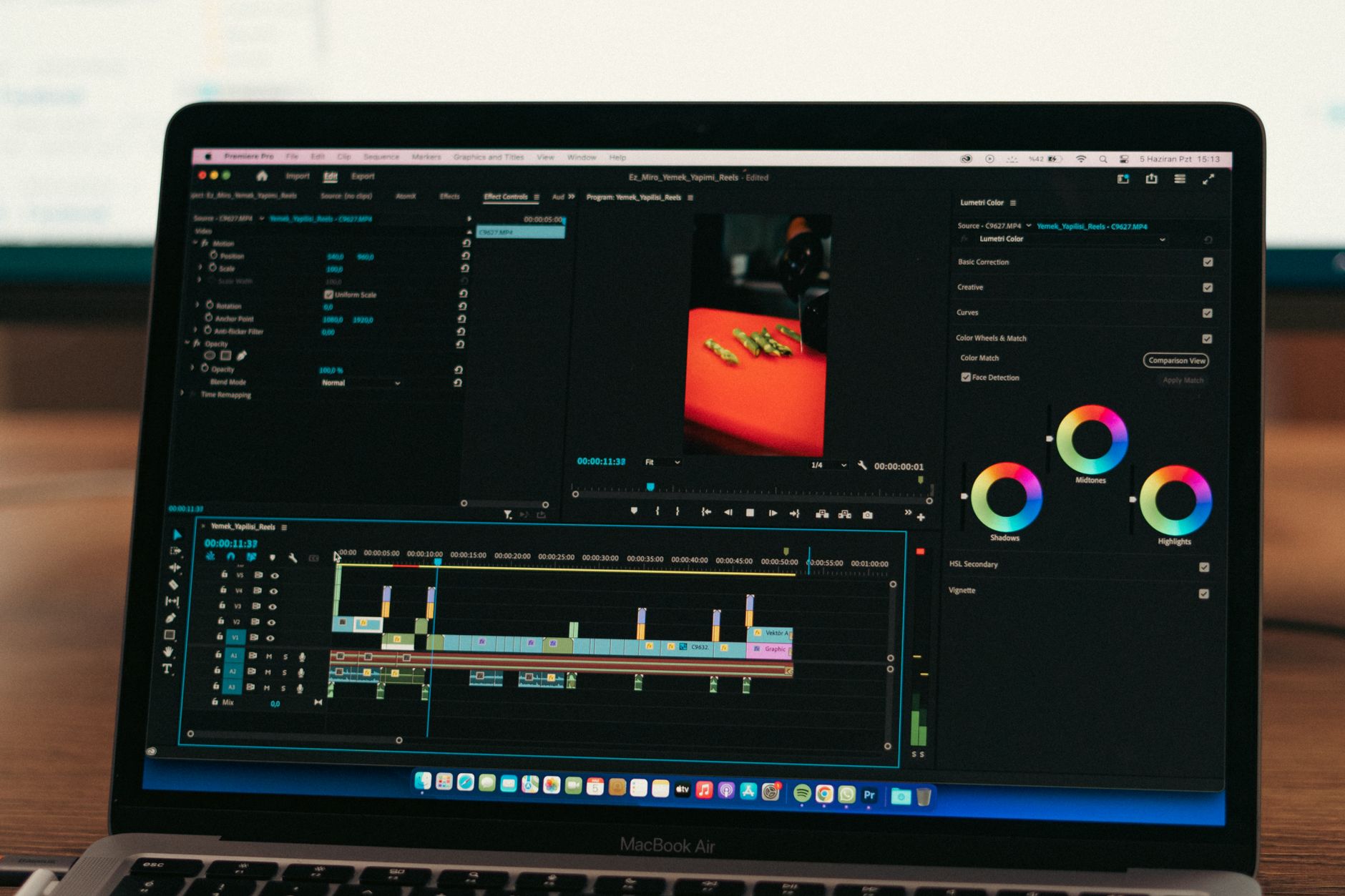
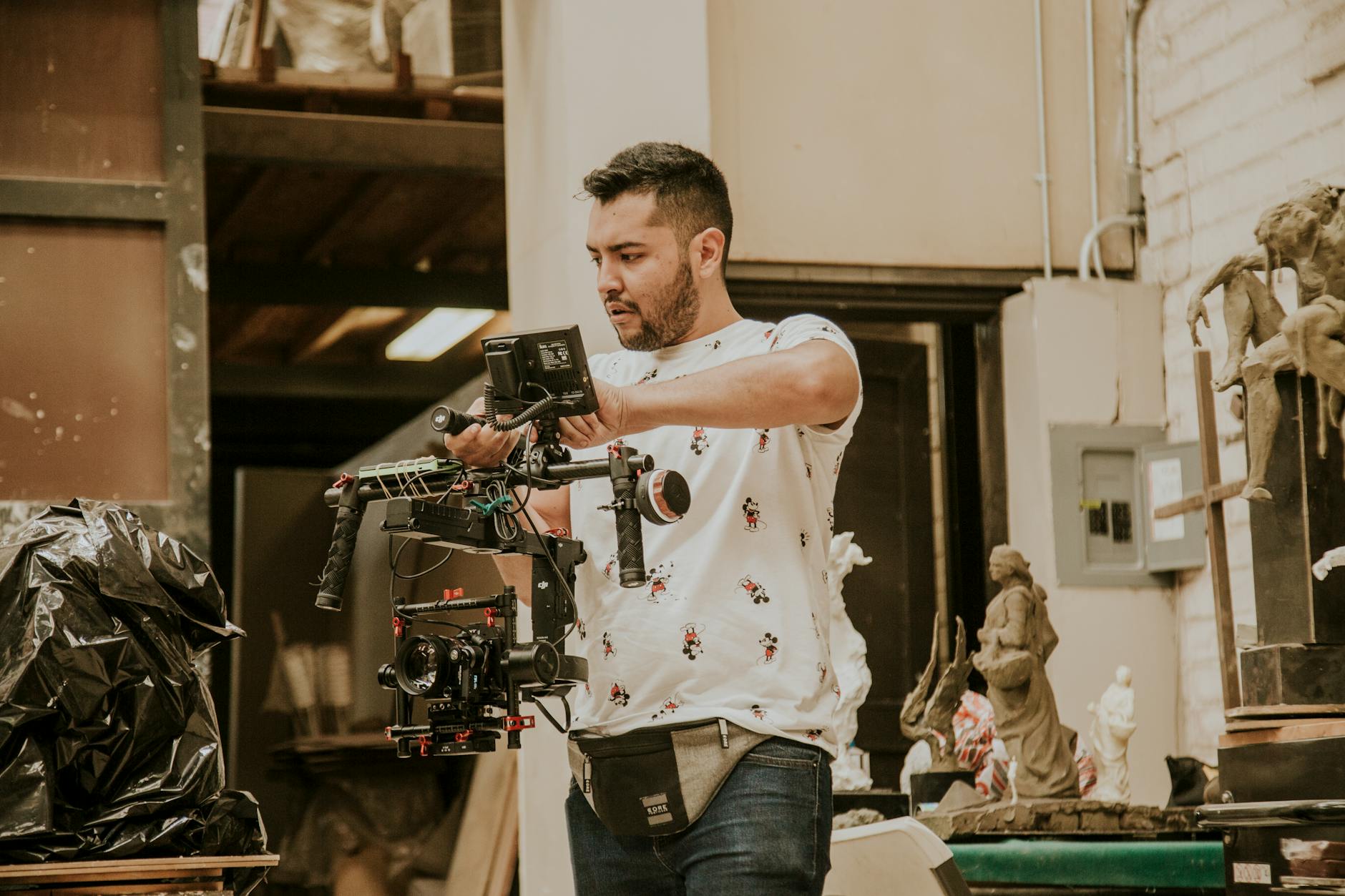
The workflow integration matters as much as the raw output quality. Runway connects with editing timelines in ways that let a small team generate, review, and iterate on footage without leaving their existing post-production setup. For a four-person production company finishing a documentary on a six-week timeline, that kind of turnaround on visual material that would otherwise require a second shoot day has real operational value. It’s not replacing the director of photography – it’s replacing the budget line that pays for a crew to drive three hours and film an empty building for twenty minutes.
There’s also a prototyping function that some directors are finding genuinely useful. Before committing to a location or a visual approach, a filmmaker can generate rough approximations of what a scene might look like and use those as reference points in conversations with cinematographers, set designers, or producers. This is pre-visualization work that previously required expensive motion graphics software and a skilled artist to operate it.
Why Indie Studios Are the Right First Market
Major studios move slowly, and they have internal visual effects departments with institutional resistance to outside tools. Indie studios have neither of those problems. They have a direct incentive to cut costs without cutting scope, and their decision-making chains are short enough that a supervising producer can decide to test a new tool on a project and start using it within a week. That operational flexibility is exactly the environment where a product like Runway gets a foothold.
The economics line up in a specific way for narrative fiction and genre content – areas where a lot of indie production activity lives. A horror film that needs an establishing shot of an isolated mountain road doesn’t necessarily need to send a crew to film one. A sci-fi short that needs three seconds of a space station exterior has options that didn’t exist two years ago. The content categories that benefit most from AI video generation happen to overlap heavily with the genres that independent studios produce most often.
Runway has also been deliberate about positioning itself as a professional tool rather than a consumer novelty. The company’s communications, its pricing tiers, and its support infrastructure are aimed at working professionals rather than hobbyists. That positioning affects who takes the product seriously. When a small studio’s line producer sees that other production companies are using Runway on distributed content projects without legal blowback or quality complaints, the risk calculation changes.
The Questions That Haven’t Been Resolved
The legal architecture around AI-generated video content is still being built in real time. Runway, like every other company in this space, trained its models on visual data, and the sourcing and rights questions attached to that training data remain genuinely unsettled. For indie studios preparing content for major streaming platforms, whose legal teams are now asking explicit questions about AI-generated material in submitted projects, this is not an abstract concern. Some distributors have begun requiring disclosure of AI-generated content in delivery materials, which creates a paper trail that studios need to be prepared to maintain. Whether that disclosure requirement eventually becomes a barrier – rather than just an administrative step – is a question that will be answered by contract negotiations and possibly litigation, not by anything Runway controls.
None of that uncertainty has slowed the adoption curve among smaller productions willing to test where the boundaries actually are. The studios that started experimenting with Runway eighteen months ago are on their second and third projects now, refining which parts of their workflow the tool fits and which parts it still doesn’t. That accumulated operational knowledge is becoming a quiet competitive advantage – and the studios that waited for the legal questions to fully resolve are now a year and a half behind on the learning curve.