







Independent record labels are scrambling to adapt as AI music creation platforms launch targeted campaigns to win their business. What started as a threat to traditional music production has evolved into a competitive advantage that smaller labels can’t ignore.
Platforms like AIVA, Soundful, and Boomy have shifted focus from direct-to-consumer offerings to B2B partnerships with indie labels struggling to compete against major label budgets. These companies promise faster album production, lower costs, and the ability to test multiple musical styles without hiring expensive session musicians or renting studio time.
The timing isn’t coincidental. Independent labels control roughly 40% of the global music market but operate with fraction of the resources available to Universal, Sony, and Warner. As streaming revenues plateau and production costs rise, indie labels face pressure to find new ways to scale their operations while maintaining creative authenticity.

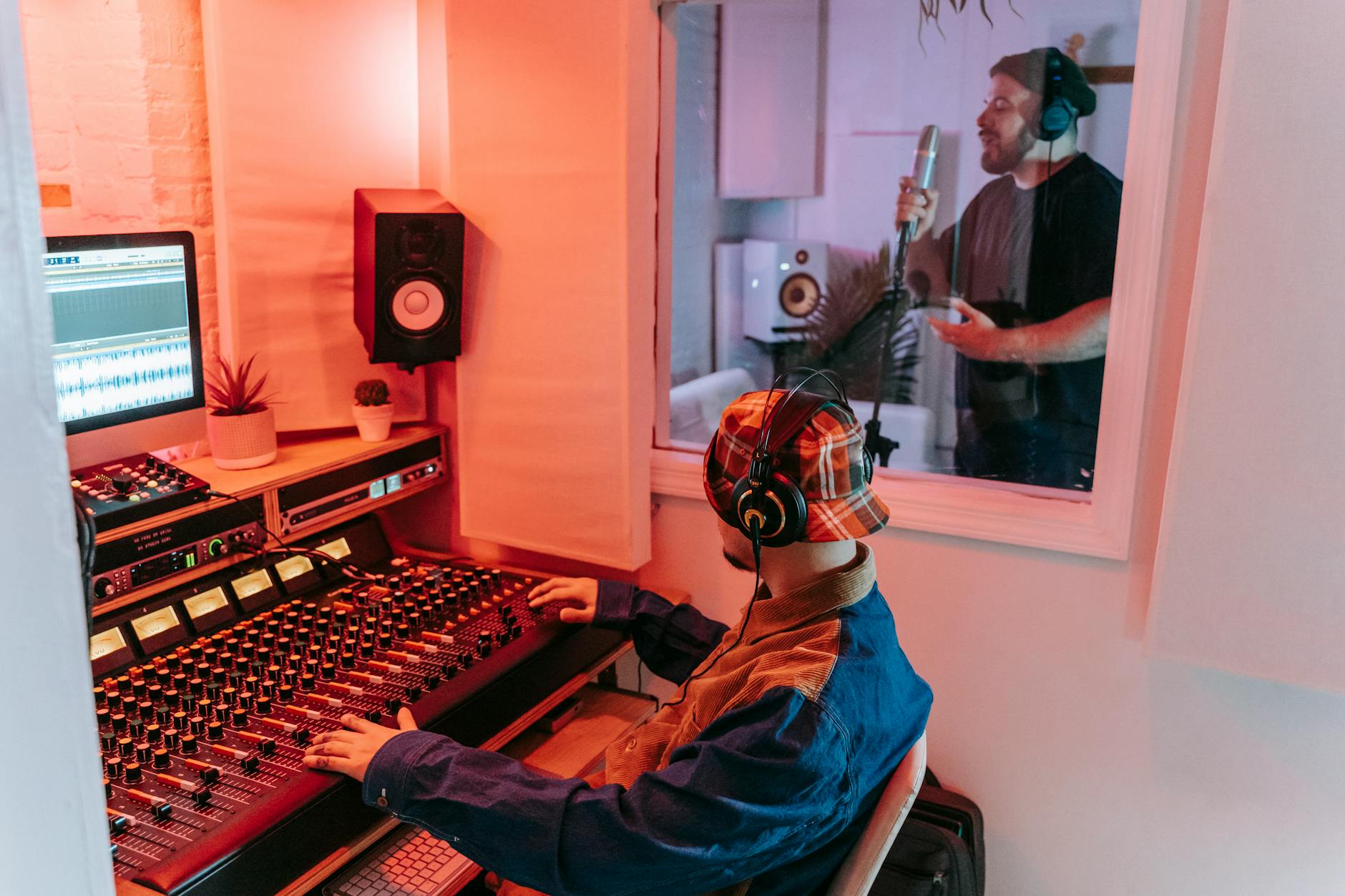
The Economics of AI-Generated Albums
Traditional album production can cost independent labels anywhere from $10,000 to $100,000 when factoring in studio time, musician fees, mixing, and mastering. AI platforms offer a dramatically different model – subscription fees ranging from $200 to $2,000 monthly for unlimited track generation across multiple genres.
Secretly Canadian, which represents artists like Phoebe Bridgers and Angel Olsen, reportedly tested AI composition tools for background music in promotional content before expanding to full instrumental tracks. The label found AI-generated ambient and electronic music particularly effective for mood-setting pieces that don’t require the emotional nuance of their signed artists.
Other indie labels are using AI to create demo versions of songs, allowing A&R teams to evaluate potential hits before investing in full production. This approach reduces financial risk while maintaining human creativity in the final recording process.
The speed factor cannot be understated. Where traditional production might take weeks or months, AI platforms can generate dozens of tracks in hours. For labels releasing compilation albums, holiday music, or genre-specific playlists, this efficiency translates directly to competitive advantage.
Creative Control vs. Algorithmic Assistance
The most successful AI music partnerships involve platforms that position themselves as creative tools rather than replacements for human artists. Companies like Amper Music and Jukedeck (before its acquisition by ByteDance) built their business models around augmenting human creativity rather than replacing it entirely.
Independent labels report using AI for specific production elements: generating backing tracks, creating variations of existing melodies, or producing instrumental versions of vocal songs. This targeted approach allows labels to maintain artistic integrity while benefiting from AI efficiency.
Some platforms now offer “style transfer” capabilities, where labels can upload reference tracks from their catalog and generate new compositions in similar styles. This feature particularly appeals to labels with established sonic identities who want to expand their catalog without diluting their brand.

The human element remains crucial for final production decisions. Most indie labels using AI tools still employ human producers, sound engineers, and musicians for mixing, mastering, and adding organic elements that algorithms struggle to replicate convincingly.
Market Positioning Against Major Labels
Major record labels have resources to sign exclusive artists, fund massive marketing campaigns, and absorb financial losses on experimental projects. Independent labels must be more strategic, making AI tools an attractive equalizer in an unbalanced industry.
Several AI music platforms now offer tiered partnerships specifically designed for indie label workflows. These include bulk licensing deals, white-label solutions, and revenue-sharing models that align platform success with label growth.
The technology also enables indie labels to explore genres and markets previously out of reach. A folk-focused label can now test electronic or hip-hop releases without hiring specialists or building new industry relationships. If AI-generated tracks perform well on streaming platforms, labels can then invest in human artists within those genres.
Some platforms provide detailed analytics about which AI-generated compositions perform best across different demographics and streaming services. This data helps indie labels make informed decisions about where to focus their human artist development resources.
Distribution and Rights Management
AI music platforms have simplified rights management for independent labels by offering clear ownership structures for generated content. Unlike traditional collaborations involving multiple songwriters, producers, and session musicians, AI-generated tracks typically grant full rights to the commissioning label.
This clarity becomes particularly valuable for sync licensing opportunities in film, television, and advertising. Brands and media companies often prefer working with indie labels on AI-generated music because rights clearance involves fewer stakeholders and faster approval processes.

The Future of Human-AI Collaboration
Rather than replacing human creativity, AI music tools are reshaping how independent labels approach artist development and catalog expansion. Labels report using AI-generated tracks as inspiration for human artists, creating hybrid workflows that combine algorithmic efficiency with human emotional intelligence.
The most forward-thinking indie labels are already planning for a future where AI handles routine production tasks while human artists focus on songwriting, performance, and audience connection. This division of labor mirrors trends in other creative industries, similar to how AI tools are transforming job application processes by handling technical formatting while humans focus on strategic career positioning.
As AI music technology continues improving and production costs decrease, independent labels that embrace these tools early will likely maintain competitive advantages over those clinging to traditional production models. The question isn’t whether AI will reshape the music industry, but which labels will adapt quickly enough to benefit from the transformation.
The next phase will likely involve more sophisticated AI that can replicate specific artist styles or collaborate in real-time with human musicians during recording sessions. Independent labels positioning themselves at the forefront of this technology today are building the foundation for tomorrow’s music industry success.
Frequently Asked Questions
How much can indie labels save using AI music platforms?
Labels can reduce production costs from $10,000-$100,000 per album to monthly subscriptions of $200-$2,000 for unlimited track generation.
Do AI music platforms replace human artists?
Most successful implementations use AI as creative tools for backing tracks and demos while maintaining human artists for final production and emotional elements.