







Disney’s animation empire built on decades of hand-drawn artistry and computer graphics expertise is experiencing an unprecedented exodus. Former executives who once oversaw billion-dollar franchises are now founding AI-powered animation startups, betting that artificial intelligence will fundamentally reshape how stories come to life on screen.
The migration began quietly in 2022 but accelerated dramatically throughout 2023 and into 2024. These aren’t mid-level departures – we’re talking about senior vice presidents, creative directors, and technology chiefs who spent years navigating Disney’s complex creative and corporate machinery. Their new ventures promise to democratize animation production while challenging the traditional studio system that made their former employer the undisputed king of animated entertainment.

The Great Animation Brain Drain
The numbers tell a striking story. At least twelve former Disney executives have launched AI animation ventures since early 2022, according to industry tracking and LinkedIn profiles. These departures span multiple divisions: Pixar alumni, Disney Animation Studios veterans, and Disney+ streaming technology leaders.
Take former Disney Animation technology director Sarah Chen, who left in September 2023 to co-found Storyframe AI. Her startup focuses on automated character rigging and facial animation – technical processes that traditionally require months of manual work from specialized artists. Chen spent eight years at Disney, working on films from “Frozen II” to “Encanto,” and understands exactly which bottlenecks slow down production pipelines.
“I watched incredibly talented artists spend 60% of their time on repetitive technical tasks instead of creative storytelling,” Chen explained in a recent TechCrunch interview. “AI can handle the tedious stuff, freeing humans for what they do best – bringing characters to life with emotion and personality.”
Similarly, former Pixar production executive Marcus Rodriguez launched Narrative Labs in early 2024, focusing on AI-powered storyboarding and pre-visualization tools. Rodriguez oversaw production workflows for “Toy Story 4” and “Soul” before deciding that traditional animation studios move too slowly to embrace transformative technologies.
The pattern extends beyond individual founders. Venture capital firms are actively recruiting Disney talent, recognizing their unique combination of creative sensibility and technical expertise. Andreessen Horowitz has backed at least three animation AI startups founded by Disney alumni, while other major VC firms circle former studio executives with competitive offers and generous equity packages.
What These Startups Actually Build
Unlike the flashy consumer AI apps grabbing headlines, these Disney-founded startups focus on solving specific production challenges that their founders witnessed firsthand. They’re building professional tools for studios, streaming platforms, and content creators rather than viral social media features.
Automated character animation leads the pack. Former Disney technical director Lisa Park’s startup, MotionCraft, uses machine learning to generate realistic character movements from simple text descriptions. Instead of animators manually positioning every joint and facial muscle across thousands of frames, creators can input “character walks sadly through rain” and receive base animation that artists then refine and personalize.
Voice synthesis represents another major focus area. Ex-Disney audio director James Walsh co-founded VocalMimic, which creates voice models for animated characters that can generate new dialogue without requiring actors to return to recording studios. The technology proved especially valuable during pandemic lockdowns when voice actors couldn’t safely gather in recording booths.
Background and environment generation offers perhaps the biggest time savings. Traditional animated films require armies of background artists to paint every setting, from forest clearings to bustling city streets. Former Disney environment supervisor Maria Gonzalez built EnviroGen, an AI system that creates detailed backgrounds from rough sketches and text descriptions. The tool doesn’t replace human artists but accelerates their workflow dramatically.
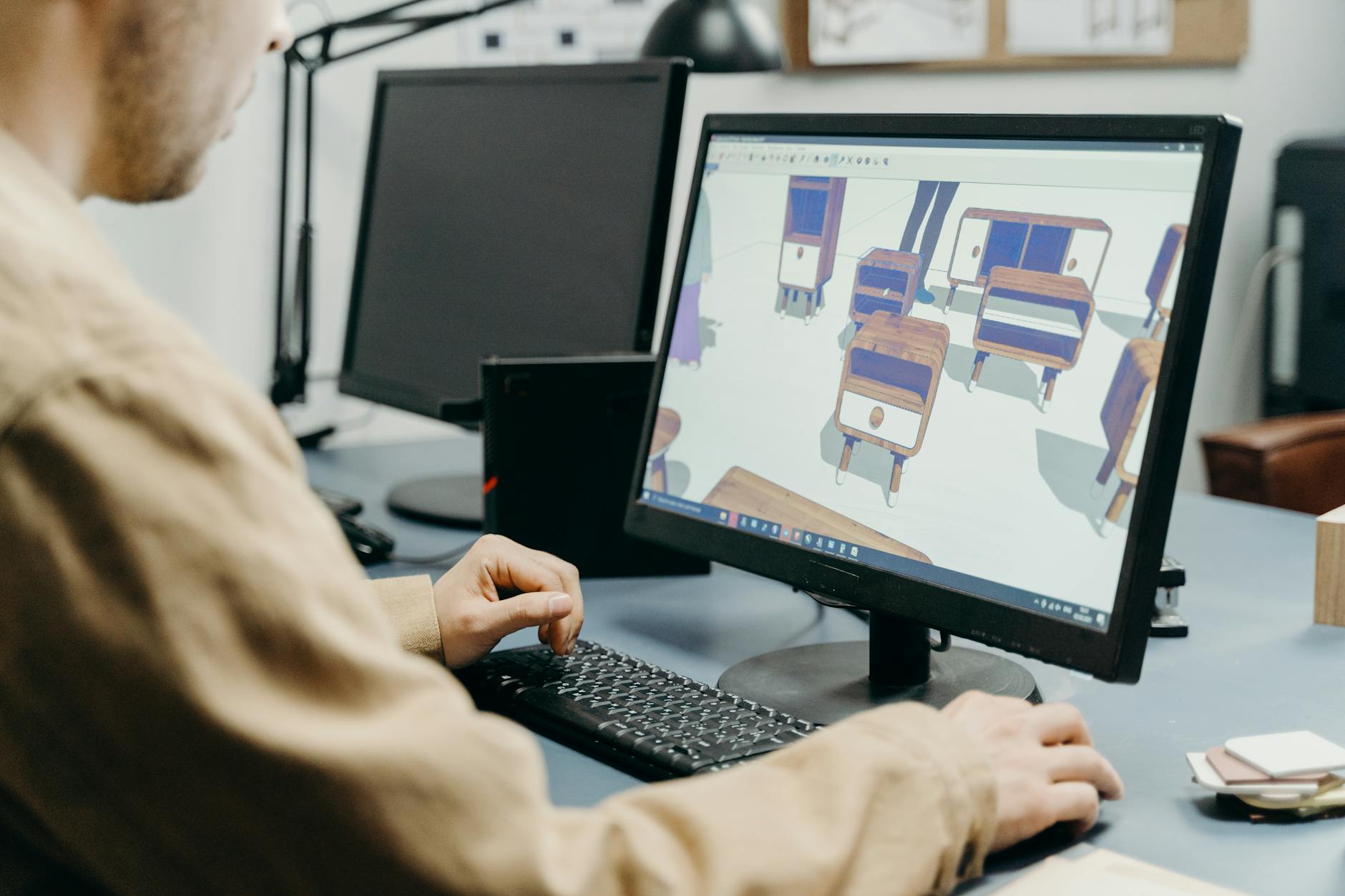
These tools share common characteristics: they handle time-intensive technical processes while preserving creative control for human artists. Rather than fully automated content generation, they function as sophisticated assistants that eliminate repetitive tasks and speed up iteration cycles.
The business models vary but generally follow enterprise software patterns. Most charge monthly subscriptions based on project size and team members, with pricing tiers for independent creators, small studios, and major production companies. Revenue projections remain modest compared to consumer social apps, but the market demand appears genuine – several startups report waiting lists exceeding their current capacity.
Why Disney Alumni Have The Edge
Former Disney executives bring crucial advantages that pure technology entrepreneurs often lack. They understand the creative process intimately, having managed actual film productions from concept through theatrical release. This experience helps them identify which AI applications will genuinely improve workflows versus which sound impressive but prove impractical in real production environments.
Production pipeline knowledge sets them apart from competitors. Disney’s animation process involves dozens of specialized roles, from story artists to lighting technicians, each with specific software tools and quality standards. Former insiders know exactly where bottlenecks occur and which departments would benefit most from AI assistance.
Industry relationships provide another significant edge. When former Disney executive Tom Harrison launched his AI character design startup, he already had contacts at Netflix, Amazon Prime Video, and independent animation studios. These relationships enabled faster customer acquisition and more detailed feedback during product development than typical enterprise software startups achieve.
Quality standards matter enormously in animation, where audiences notice subtle inconsistencies in character expressions or movement. Disney alumni understand the bar for professional animation quality, helping them train AI models that meet industry expectations rather than producing technically impressive but aesthetically inadequate results.
The talent pool advantage continues growing. As more Disney veterans launch successful AI startups, they recruit former colleagues who bring complementary skills in creative direction, technical development, and business operations. This creates a virtuous cycle where Disney’s institutional knowledge transfers to the broader AI animation ecosystem.
This trend mirrors patterns in other industries, similar to how former Apple engineers are building wearable health monitors, leveraging their insider knowledge to identify market opportunities their former employers might miss or pursue too slowly.
Disrupting The Magic Kingdom
Disney’s response to this executive exodus reveals the company’s complex relationship with AI innovation. Publicly, Disney embraces artificial intelligence, touting AI applications in streaming recommendations and theme park operations. Behind the scenes, sources describe a more cautious approach toward AI in creative processes, reflecting concerns about quality control and brand protection.
The creative community remains divided on AI animation tools. Traditional animators worry about job displacement, while younger artists increasingly view AI as essential productivity enhancers. Union representatives express skepticism about rapid adoption, preferring gradual integration with strong worker protections.
However, economic pressures favor AI adoption. Animated films now cost upwards of $200 million to produce, with timelines stretching three to five years from concept to release. Streaming platforms demand higher content volumes at lower per-episode costs, creating pressure to accelerate production without sacrificing quality.
Independent creators and smaller studios show the strongest enthusiasm for AI animation tools. These producers lack Disney’s vast artist teams and technical infrastructure, making AI assistance more immediately valuable. Several YouTube channels and indie game developers report significant productivity gains from early AI animation tools, suggesting broader market acceptance may emerge from grassroots adoption rather than major studio endorsement.
The competitive landscape continues evolving rapidly. Adobe, Autodesk, and other established software companies are integrating AI features into existing animation tools, while pure-play AI startups pursue more specialized applications. Former Disney executives occupy a unique middle ground, combining technical innovation with proven creative judgment.
Looking ahead, the success of these Disney-founded startups will likely determine whether AI becomes a standard animation industry tool or remains a niche technology for specific use cases. Early revenue reports suggest genuine market demand, but widespread adoption depends on demonstrating clear value to creative professionals who rightfully prioritize artistic quality over technological novelty.
The animation industry stands at a crossroads, with former Disney executives betting their careers on AI’s transformative potential. Whether they’re building the future of storytelling or chasing a technological mirage will become clear as their startups face the ultimate test: producing compelling animated content that audiences actually want to watch.
Frequently Asked Questions
Why are Disney executives leaving to start AI companies?
They see opportunities to solve production bottlenecks they witnessed firsthand, while Disney moves too slowly to embrace transformative AI technologies.
What kind of AI animation tools are they building?
Professional tools for automated character animation, voice synthesis, and background generation that assist human artists rather than replace them entirely.