







Premium wireless earbuds have evolved into sophisticated audio instruments, with Apple and Sony leading the charge in delivering studio-quality sound in tiny packages. The latest generation AirPods Pro and Sony’s WF-1000XM5 represent the pinnacle of consumer audio engineering, each targeting discerning listeners who refuse to compromise on sound quality.
Both models push the boundaries of what’s possible in true wireless design, incorporating advanced drivers, spatial audio processing, and noise cancellation that rivals over-ear headphones. For audiophiles weighing these premium options, the choice comes down to more than just brand loyalty – it’s about understanding how each approach serves different listening priorities and ecosystem preferences.

Sound Quality and Audio Processing
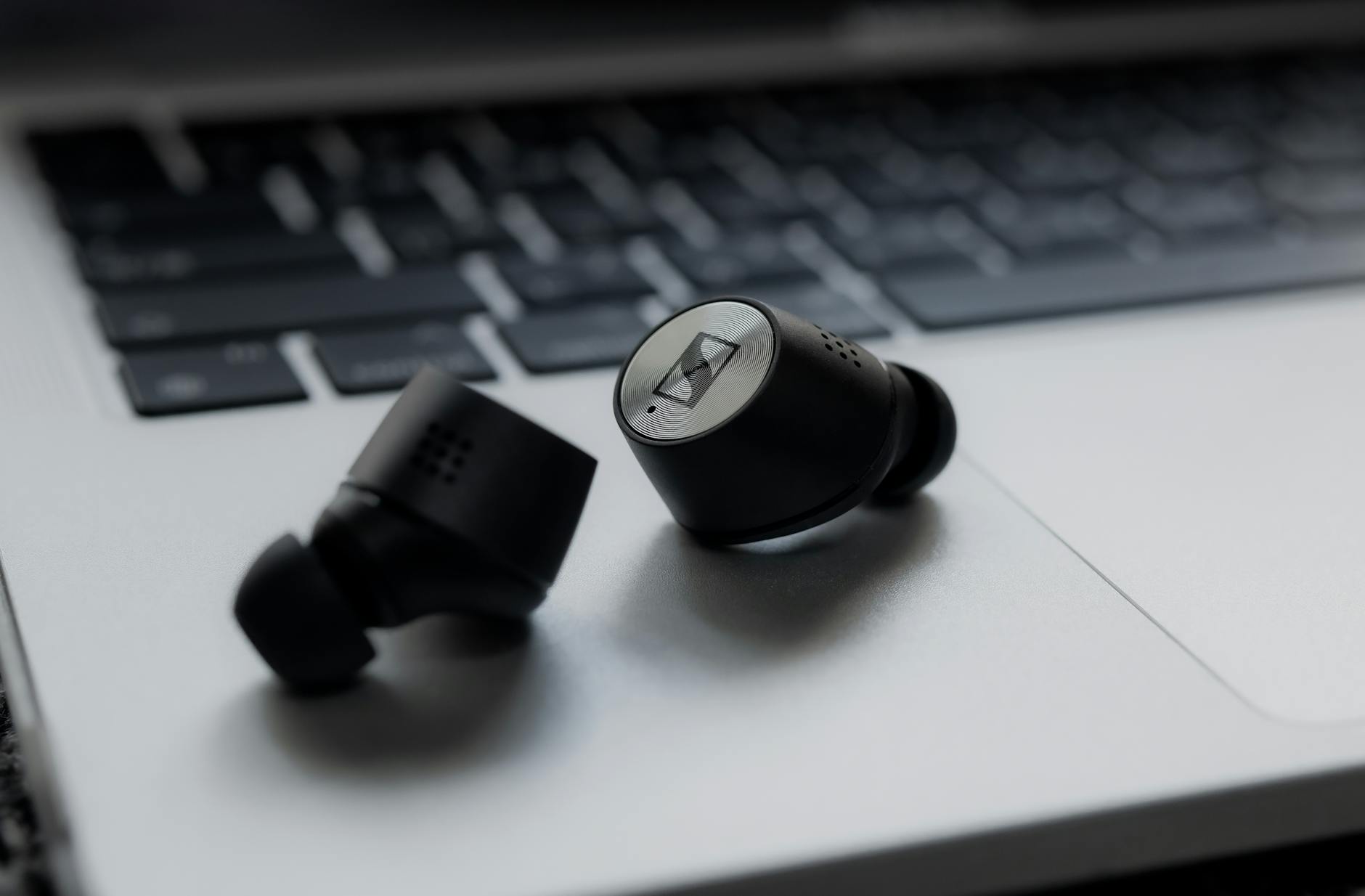
The current generation AirPods Pro delivers Apple’s most refined audio signature yet, featuring custom-built drivers that emphasize clarity across the frequency spectrum. Apple’s computational audio approach leverages the H2 chip to process sound in real-time, creating a balanced profile that works well across genres. The spatial audio implementation creates an immersive soundstage that particularly shines with orchestral music and live recordings.
Sony’s WF-1000XM5 takes a different approach, incorporating the company’s V1 processor alongside larger 8.4mm drivers. Sony’s tuning philosophy leans toward a warmer, more dynamic sound signature that many audiophiles find more engaging for critical listening. The LDAC codec support allows for high-resolution audio streaming from compatible Android devices, delivering detail that approaches wired headphone quality.
Bass response differs significantly between the models. Apple provides tight, controlled low-end that never overwhelms the midrange, while Sony offers deeper extension with more presence – appealing to listeners who enjoy electronic music, hip-hop, or jazz with prominent bass lines. Neither approach is objectively superior; the preference depends on individual taste and music genre priorities.
Noise Cancellation and Environmental Awareness
Active noise cancellation represents a key battleground between these premium models. Apple’s AirPods Pro uses multiple microphones and the H2 chip to create an adaptive cancellation system that adjusts to different environments in real-time. The system excels at canceling consistent sounds like airplane engines or air conditioning, while maintaining naturalness when cancellation is active.
Sony’s implementation in the WF-1000XM5 leverages decades of noise-canceling expertise from their over-ear headphone division. The earbuds feature Sony’s proprietary noise canceling processor, which many reviewers consider slightly more aggressive in blocking ambient sound. This makes them particularly effective in very noisy environments like subway commutes or busy offices.
Transparency modes reveal different design philosophies. Apple’s approach prioritizes naturalness, making conversations feel almost like the earbuds aren’t there. Sony’s ambient sound mode offers more customization options, allowing users to adjust how much environmental sound bleeds through and even emphasize specific frequency ranges like human voices.

Ecosystem Integration and Features
Apple’s advantage becomes clear for users already invested in the Apple ecosystem. Seamless switching between iPhone, iPad, and Mac happens automatically, while features like Audio Sharing and Find My integration add practical value. The spatial audio implementation works particularly well with Apple Music’s growing catalog of Atmos content and when watching movies on Apple devices.
Sony takes a more platform-agnostic approach, working well with both iOS and Android devices while offering additional features for Android users. The Sony Headphones app provides extensive customization options, including detailed EQ adjustments and the ability to create custom sound profiles based on listening tests. This flexibility appeals to audiophiles who want to fine-tune their listening experience.
Battery life considerations favor different use cases. Apple provides consistent performance across all features but with moderate battery life that requires regular charging case use. Sony offers longer listening sessions but with some variation depending on which codecs and features are active. Both charging cases provide multiple additional charges, making all-day use feasible for most users.
The touch controls and gesture systems reflect each company’s interface philosophy. Apple keeps things simple with force sensors that respond to squeeze gestures, reducing accidental inputs during workouts or commutes. Sony’s touch panels offer more granular control but require a learning curve to master the various tap and swipe combinations.
Build Quality and Comfort
Premium materials and construction quality distinguish both models from budget alternatives. Apple’s AirPods Pro features a familiar stem design that some users find more comfortable for extended wear, particularly during phone calls. The silicone tips create a secure seal without excessive pressure, and the compact charging case fits easily in most pockets.
Sony’s WF-1000XM5 adopts a more traditional earbud shape that sits flush with the ear. This design can be more discreet for professional settings but may feel bulkier initially. The foam tips provide excellent isolation and comfort once properly fitted, though some users prefer the feel of silicone tips for longer listening sessions.
Water resistance standards differ between the models, with varying degrees of protection against sweat and moisture. Both are suitable for workouts and light rain, but checking specific ratings helps inform decisions for users who frequently exercise or work in challenging environments.

The choice between AirPods Pro and Sony WF-1000XM5 ultimately depends on individual priorities and existing device ecosystems. Apple’s offering excels for users seeking seamless integration with other Apple products and a balanced, natural sound signature. Sony’s model appeals to audiophiles who prioritize customization options, slightly more aggressive noise cancellation, and support for high-resolution audio codecs.
Both represent significant investments in premium audio technology, and either choice will satisfy most discerning listeners. The ongoing competition between Apple and Sony continues to drive innovation in the wireless earbud space, similar to how competition shapes other tech categories like the ongoing evolution in [design software preferences](https://recodenews.com/comparing-figma-vs-sketch-for-ui-design-teams-in-2026/) among creative professionals.
As wireless audio technology continues advancing, we can expect both companies to push further into features like personalized sound profiles, improved spatial audio, and even better noise cancellation. The real winners are consumers who now have access to wireless audio quality that was unimaginable just a few years ago.
Frequently Asked Questions
Which has better sound quality for audiophiles?
Sony WF-1000XM5 offers warmer sound and LDAC support, while AirPods Pro provides balanced clarity with spatial audio processing.
Which earbuds have better noise cancellation?
Both excel at noise cancellation, with Sony slightly more aggressive and Apple more natural-sounding when active.