






Apple’s Vision Pro headset has been quietly piling up in return bins across the country, and the reasons why are telling a bigger story about mixed reality’s struggle to find its place in our lives. Since the $3,500 device launched in February, early adopters who waited in long lines and pre-ordered months in advance are now sending their headsets back within the generous 14-day return window. The pattern emerging from these returns reveals fundamental challenges that go far beyond Apple’s premium pricing strategy.
The Vision Pro represents Apple’s boldest bet on spatial computing, promising to blend digital content seamlessly with the physical world. Yet despite impressive technology demonstrations and glowing reviews of its technical capabilities, many users are discovering that revolutionary hardware doesn’t automatically translate into revolutionary daily utility. The disconnect between the Vision Pro’s impressive specifications and its practical limitations is becoming a case study in how even the most advanced companies can struggle to crack the mixed reality code.

Weight, Comfort, and the Reality of Extended Use
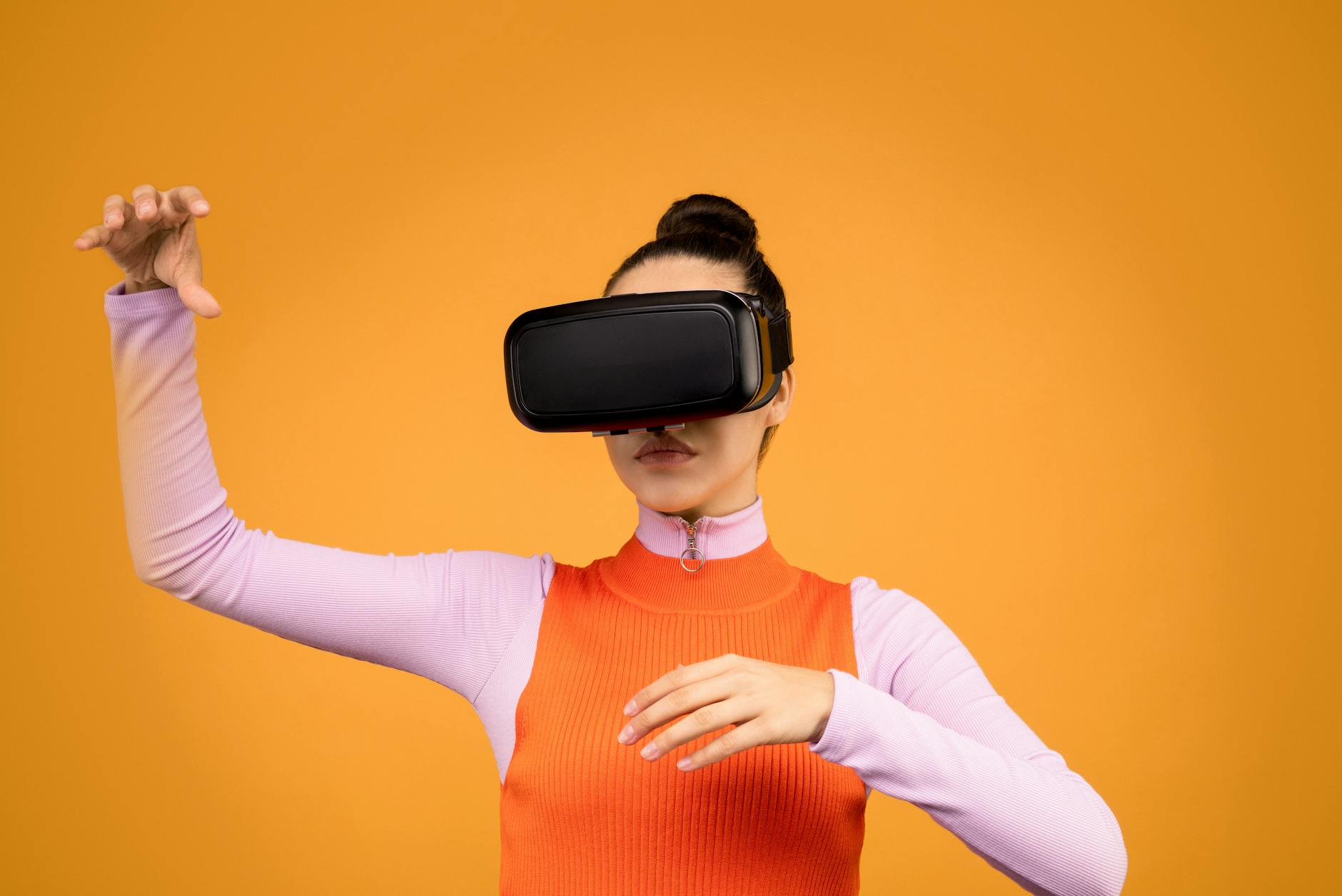
The most common complaint driving Vision Pro returns centers on physical comfort during extended use. At approximately 650 grams, the headset creates noticeable pressure on users’ faces and necks during sessions longer than 30 minutes. Many early adopters reported headaches, neck strain, and red marks around their eyes after what they considered normal usage periods.
Professional reviewers and tech enthusiasts initially downplayed these comfort issues during brief demonstration periods, but real-world usage patterns tell a different story. Users attempting to work for several hours, watch full movies, or engage in extended social experiences found the physical weight became a significant barrier to adoption. The problem isn’t unique to Apple – it reflects a broader challenge facing the entire mixed reality industry as companies balance advanced components with wearable design.
The Vision Pro’s weight distribution, despite Apple’s engineering efforts, concentrates pressure points that become uncomfortable over time. Users have experimented with different headband configurations and third-party accessories, but many conclude that the fundamental physics of current mixed reality hardware creates inherent limitations for extended use. This comfort barrier has proven more significant than anticipated, with some users reporting they use their Vision Pro less than an hour per day specifically due to physical discomfort.
Battery life compounds the comfort issue. The external battery pack, connected by a proprietary cable, adds another layer of complexity to extended use scenarios. Users report the two-hour battery life feels insufficient for immersive experiences, and the charging requirement breaks the seamless interaction that mixed reality promises to deliver.
Content Ecosystem and the Chicken-and-Egg Problem
Beyond hardware limitations, Vision Pro returns often cite the limited content ecosystem as a primary disappointment. Despite Apple’s partnerships with major streaming services and productivity app developers, the available content feels sparse compared to what users expected from a premium Apple product launch.
The mixed reality industry faces a classic chicken-and-egg problem: developers hesitate to invest heavily in content creation without a large user base, while consumers resist adoption without compelling content options. Apple’s approach of porting existing iPad apps to the Vision Pro platform provides functionality but fails to deliver the transformative experiences that justify the device’s premium positioning.
Gaming content, often a driver of new platform adoption, remains particularly limited on Vision Pro. While the device supports some impressive immersive experiences, the library lacks the depth and variety that established gaming platforms offer. Users accustomed to rich content ecosystems on other Apple devices find the Vision Pro’s offerings feel more like technical demonstrations than fully realized entertainment platforms.
Social features, promised as a key component of spatial computing, also feel underdeveloped. The ability to share experiences with other Vision Pro users requires that social networks already own the device, creating a network effect problem that slows adoption. Unlike social platforms that can build gradually across existing devices, mixed reality social features require synchronized hardware adoption to deliver meaningful experiences.

Professional Use Cases Fall Short of Expectations
Many Vision Pro purchasers, particularly professionals in creative and technical fields, bought the device expecting it to enhance their work productivity. The reality of using Vision Pro for professional tasks has proven more challenging than Apple’s marketing suggested. While the device can display multiple virtual monitors and run productivity applications, the resolution and text clarity fall short of traditional high-end monitors for detailed work.
Architects, designers, and engineers who hoped to visualize 3D models and collaborate in spatial environments found the current software ecosystem lacks the sophisticated tools they use daily. CAD applications, design software, and professional modeling tools remain largely unavailable or severely limited compared to their desktop counterparts. The gap between professional software expectations and current mixed reality capabilities has driven many business-focused returns.
Video conferencing and remote collaboration, highlighted as key Vision Pro features, present their own challenges. While the persona feature that creates a digital avatar is technically impressive, many users and their colleagues find the experience falls into an uncanny valley that feels less natural than traditional video calls. The isolation of wearing a headset during meetings also creates psychological barriers to natural communication that many professionals find counterproductive.
The device’s eye tracking and hand gesture controls, while innovative, require more conscious effort than traditional input methods for many professional tasks. Users report that precise selections, text editing, and detailed manipulation tasks feel slower and more fatiguing than mouse and keyboard interactions. This creates productivity friction that undermines the Vision Pro’s value proposition for professional use cases.
Social and Psychological Barriers to Adoption
Beyond technical limitations, Vision Pro returns reveal deeper social and psychological barriers to mixed reality adoption. The device’s imposing appearance and complete visual isolation from surroundings create social awkwardness in shared spaces. Family members report feeling excluded when someone uses the Vision Pro, despite pass-through video features designed to maintain social connection.
The psychological impact of extended isolation, even with realistic pass-through video, affects many users more than they anticipated. While traditional screens allow users to maintain peripheral awareness of their environment and other people, the Vision Pro creates a more complete separation that some find unsettling during regular use. This isolation effect becomes more pronounced during longer sessions, contributing to user fatigue beyond physical comfort issues.
Privacy concerns also drive some returns, as users become uncomfortable with the device’s extensive sensor array and eye tracking capabilities. While Apple emphasizes privacy protections, the intimate nature of gaze tracking and facial expression monitoring creates psychological discomfort for some users that persists throughout their trial period.
The learning curve for spatial interface navigation also proves steeper than expected for many users. While Apple’s interface design is intuitive compared to other mixed reality platforms, the transition from decades of screen-based computing to spatial interaction requires mental adjustment that some users find more demanding than worthwhile for their current needs.
The pattern of Vision Pro returns illuminates broader challenges facing mixed reality technology as it attempts to transition from specialized applications to mainstream adoption. Apple’s significant investment in spatial computing represents a long-term bet that current limitations will be resolved through iterative hardware improvements and ecosystem development.
The company’s approach mirrors its historical strategy with other revolutionary products – launch premium early versions to establish market presence while building the foundation for broader adoption in future generations. iPhone and Apple Watch both faced initial skepticism and limited use cases before finding their market fit through successive improvements and ecosystem maturation.
For the mixed reality industry, Vision Pro returns provide valuable market feedback that extends beyond Apple’s specific implementation. The consistency of user complaints around comfort, content, and practical utility suggests these challenges require industry-wide innovation rather than individual company solutions. As other technology companies prepare their own mixed reality offerings, Apple’s early market experience offers crucial insights into consumer expectations and adoption barriers.
The future of spatial computing likely depends on addressing these fundamental challenges through technological advancement and creative problem-solving. Lighter hardware, more sophisticated content creation tools, and novel interaction paradigms will determine whether mixed reality achieves mainstream adoption or remains a niche technology for specialized applications. Apple’s willingness to iterate based on real user feedback, demonstrated through its response to early Vision Pro adoption patterns, suggests the company views current limitations as solvable engineering challenges rather than insurmountable barriers to the technology’s future.
Frequently Asked Questions
Why are people returning Apple Vision Pro headsets?
Common reasons include physical discomfort from weight, limited content ecosystem, and social isolation during use.
How long is Apple’s Vision Pro return period?
Apple offers a 14-day return window for Vision Pro purchases, allowing users to test the device extensively.