







Food delivery just got personal. DoorDash, Uber Eats, and Grubhub are rolling out live video consultations with professional chefs, transforming takeout orders into interactive cooking experiences. The feature, quietly launched in select markets, lets customers video chat with culinary experts before placing orders, getting personalized recommendations and cooking tips for their meals.
The shift represents delivery platforms’ latest attempt to differentiate themselves in an increasingly saturated market. With commission wars driving down profits and customer acquisition costs soaring, companies are betting that premium services will justify higher fees and build customer loyalty.

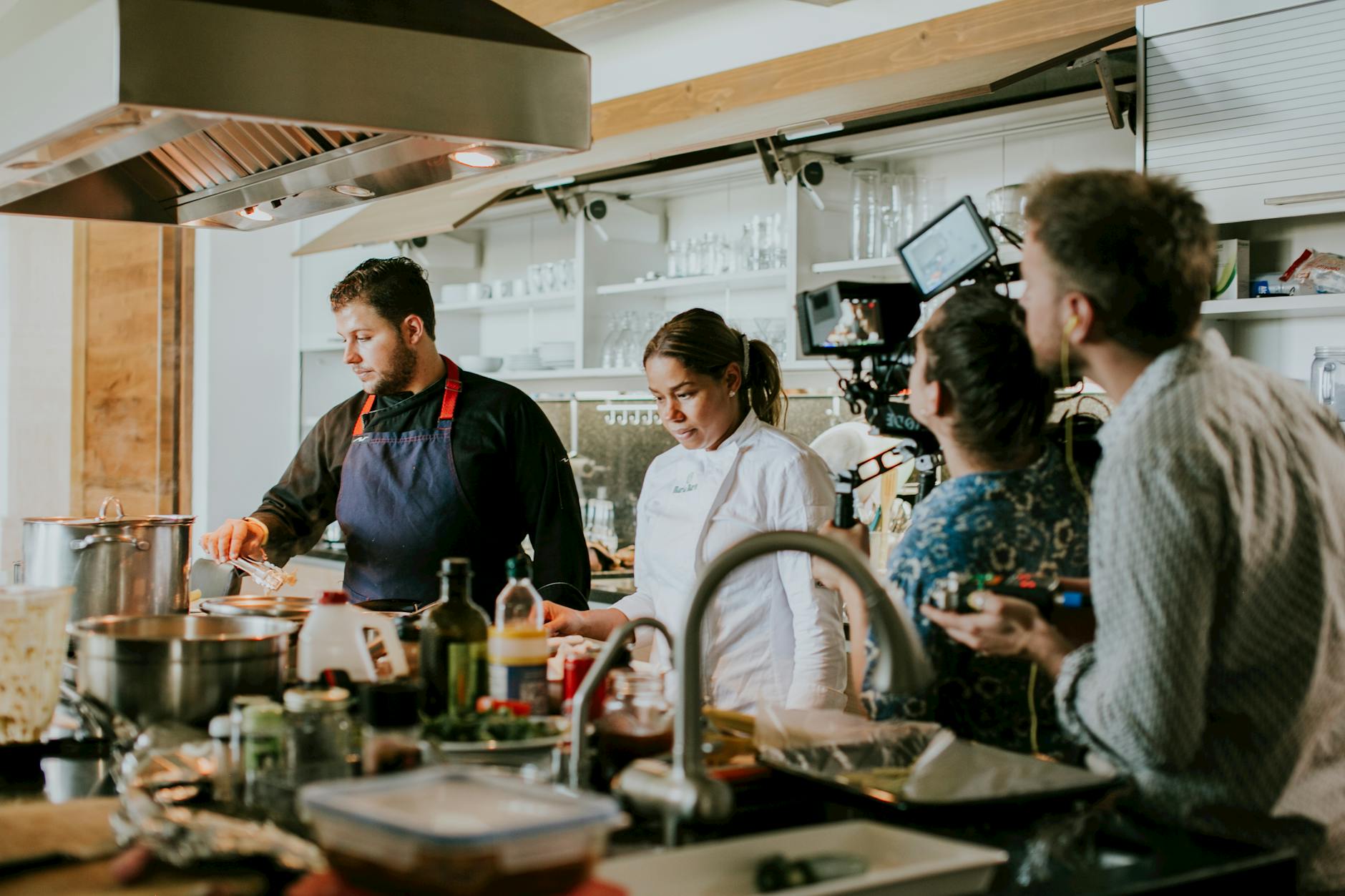
The Technology Behind Chef Video Calls
The video consultation feature integrates directly into existing delivery apps through partnerships with culinary schools and restaurant groups. Customers can schedule 5-15 minute sessions with certified chefs who have access to menus from participating restaurants in real-time.
During calls, chefs can see customers’ dietary preferences, past orders, and location to make targeted suggestions. The system pulls inventory data from restaurants, so chefs know which specials are available and can recommend dishes based on ingredient freshness and preparation times.
“We’re seeing engagement rates 300% higher than traditional recommendation algorithms,” says a DoorDash spokesperson. “When a real person explains why the Thai basil chicken pairs well with jasmine rice instead of brown rice, customers actually listen.”
The technology builds on existing livestream infrastructure that platforms developed during the pandemic for virtual restaurant tours and cooking classes. However, the one-on-one consultation model requires more sophisticated scheduling and payment systems to compensate participating chefs.
Why Delivery Apps Need Premium Features
Food delivery platforms face mounting pressure to justify their business model. Customer acquisition costs have tripled since 2020, while average order values remain flat. Commission fees from restaurants – typically 15-30% – are under scrutiny from local governments, forcing platforms to find new revenue streams.
Live chef consultations represent a premium service that customers pay for directly, similar to how virtual reality fitness classes are replacing traditional gym memberships by offering personalized, technology-enhanced experiences.
Early pilot data shows customers who use chef consultations place orders 40% more frequently and spend 25% more per order. They’re also significantly less likely to request refunds or leave negative reviews, reducing customer service costs.
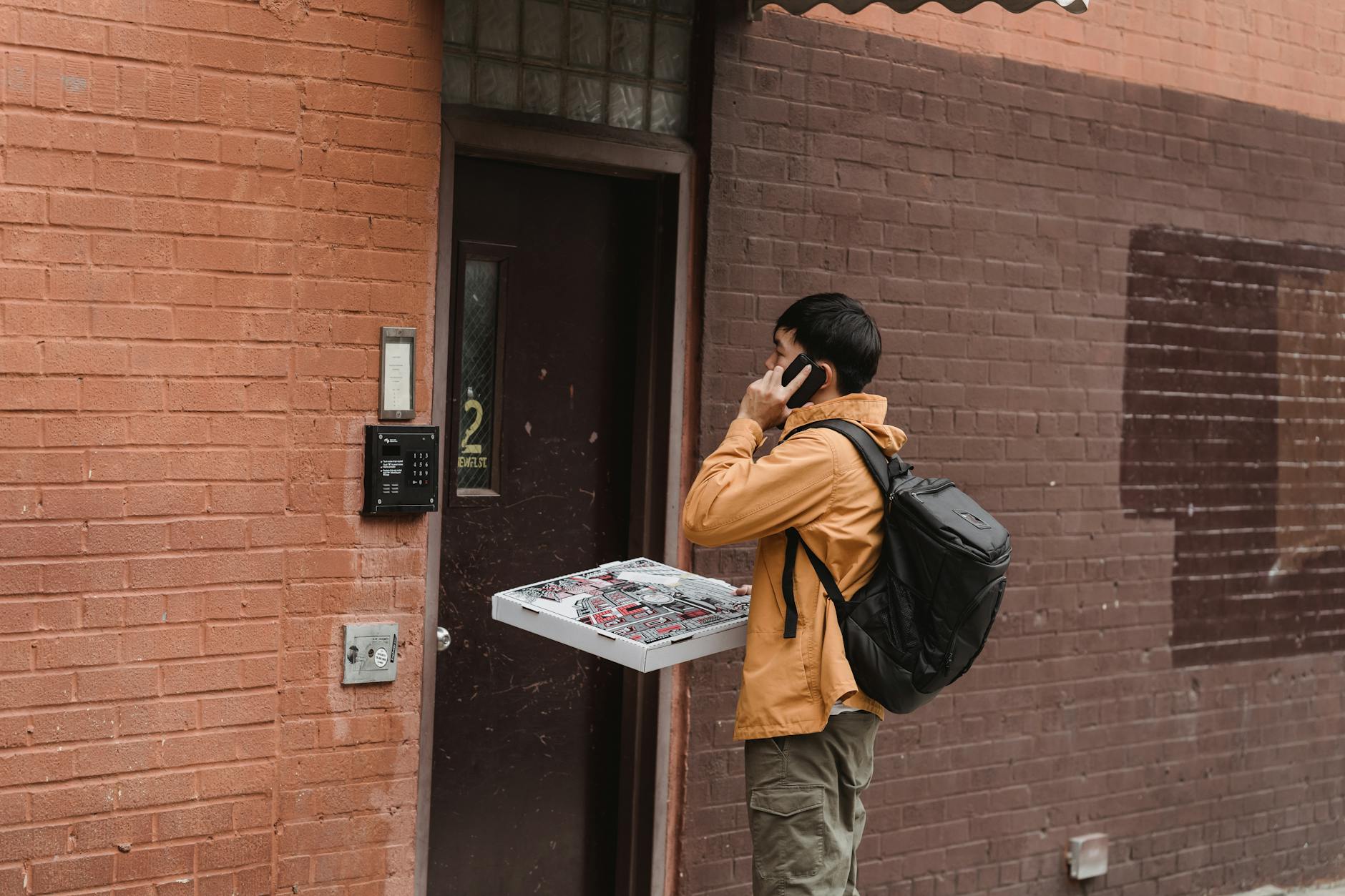
The service addresses a key pain point: choice overload. With some markets offering 50,000+ menu items across hundreds of restaurants, decision fatigue drives many customers to order the same few dishes repeatedly or abandon their carts entirely.
“People want curation, not just convenience,” explains a food industry analyst. “Netflix succeeded by recommending content, not just streaming it. Food delivery is catching up.”
The Chef Economy Goes Digital
For culinary professionals, video consultations create new income opportunities outside traditional restaurant employment. Participating chefs earn $20-50 per consultation plus commission on resulting orders, allowing them to monetize their expertise during typically slow hours.
The gig mirrors broader trends in the creator economy, where professionals leverage digital platforms to offer specialized services. Cooking instructors report earning $500-2000 monthly through video consultations, often working remotely during restaurant prep hours or days off.
“It’s like being a personal shopper, but for food,” says Maria Santos, a chef who conducts consultations for three delivery platforms. “I help people discover restaurants they’d never try and explain cooking techniques for dishes they want to recreate at home.”
The model also benefits restaurants by improving order accuracy and customer satisfaction. When chefs explain preparation methods and suggest modifications, customers better understand what they’re ordering and are less likely to be disappointed.
Some platforms are experimenting with group consultations where chefs host live sessions for multiple viewers, blending the personal touch with streaming entertainment. These “chef hours” feature seasonal ingredients, local specialties, or themed cuisines, driving orders to participating restaurants during broadcast times.
Scaling Personal Service
The biggest challenge facing chef consultation services is scale. Unlike algorithmic recommendations that cost nothing per interaction, live video requires human time and expertise. Platforms are testing various models to balance personalization with efficiency.
Some are implementing AI pre-screening that analyzes customer preferences and dietary restrictions before connecting them with suitable chefs. Others are developing group consultation formats where one chef can serve multiple customers simultaneously.
The technology also faces practical limitations. Peak dinner hours, when customers most want consultations, overlap with when chefs are busiest in restaurant kitchens. Platforms are incentivizing off-peak usage through reduced consultation fees and exclusive menu previews.
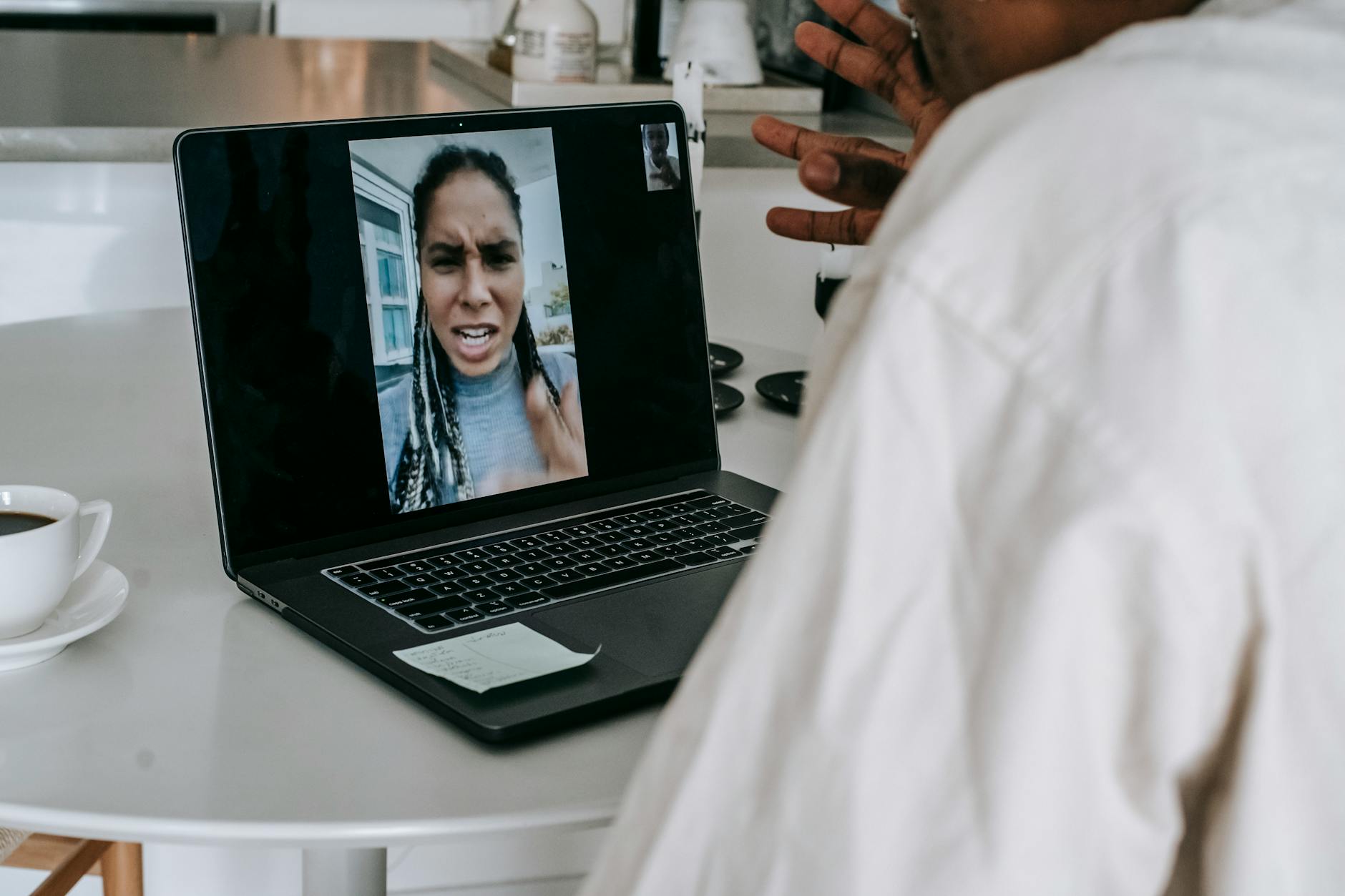
Quality control presents another hurdle. Unlike restaurant reviews, which reflect actual food quality, consultation quality depends entirely on the chef’s communication skills and product knowledge. Platforms are developing rating systems and requiring ongoing training to maintain service standards.
The feature also competes with existing solutions like social media food influencers and restaurant review sites. However, early users report preferring real-time, personalized advice over static content, especially when dealing with dietary restrictions or unfamiliar cuisines.
Looking ahead, chef consultations may expand beyond order recommendations into full-service meal planning and cooking instruction. Some platforms are testing follow-up services where chefs provide preparation guidance after delivery, turning takeout into interactive cooking lessons.
The success of chef video consultations will ultimately depend on whether customers value personalized service enough to pay premium fees in a market built on convenience and speed. Early adoption rates suggest there’s appetite for more human connection in digital food ordering, but widespread implementation will test whether this premium service can scale profitably across diverse markets and customer segments.
Frequently Asked Questions
How much do chef video consultations cost on delivery apps?
Most platforms charge $5-15 per consultation, with some offering free sessions for premium subscribers or large orders.
Which delivery apps offer chef video consultations?
DoorDash, Uber Eats, and Grubhub are testing the feature in select markets, with broader rollouts planned for 2024.