







TikTok’s shopping revolution isn’t just changing how Generation Z discovers products-it’s forcing Amazon, Target, and every major retailer to completely rethink their e-commerce playbook. The social media giant’s rapid integration of shopping features directly into its feed has created a new paradigm where entertainment and purchasing happen in the same swipe, compressing the traditional buyer’s journey from days to seconds.
The platform’s TikTok Shop feature, which allows users to purchase products without leaving the app, has already generated billions in sales and is forcing established e-commerce players to scramble. Unlike traditional online shopping where consumers actively search for products, TikTok’s approach turns discovery into entertainment, creating what industry analysts are calling “impulse commerce on steroids.”

The Death of the Shopping Cart
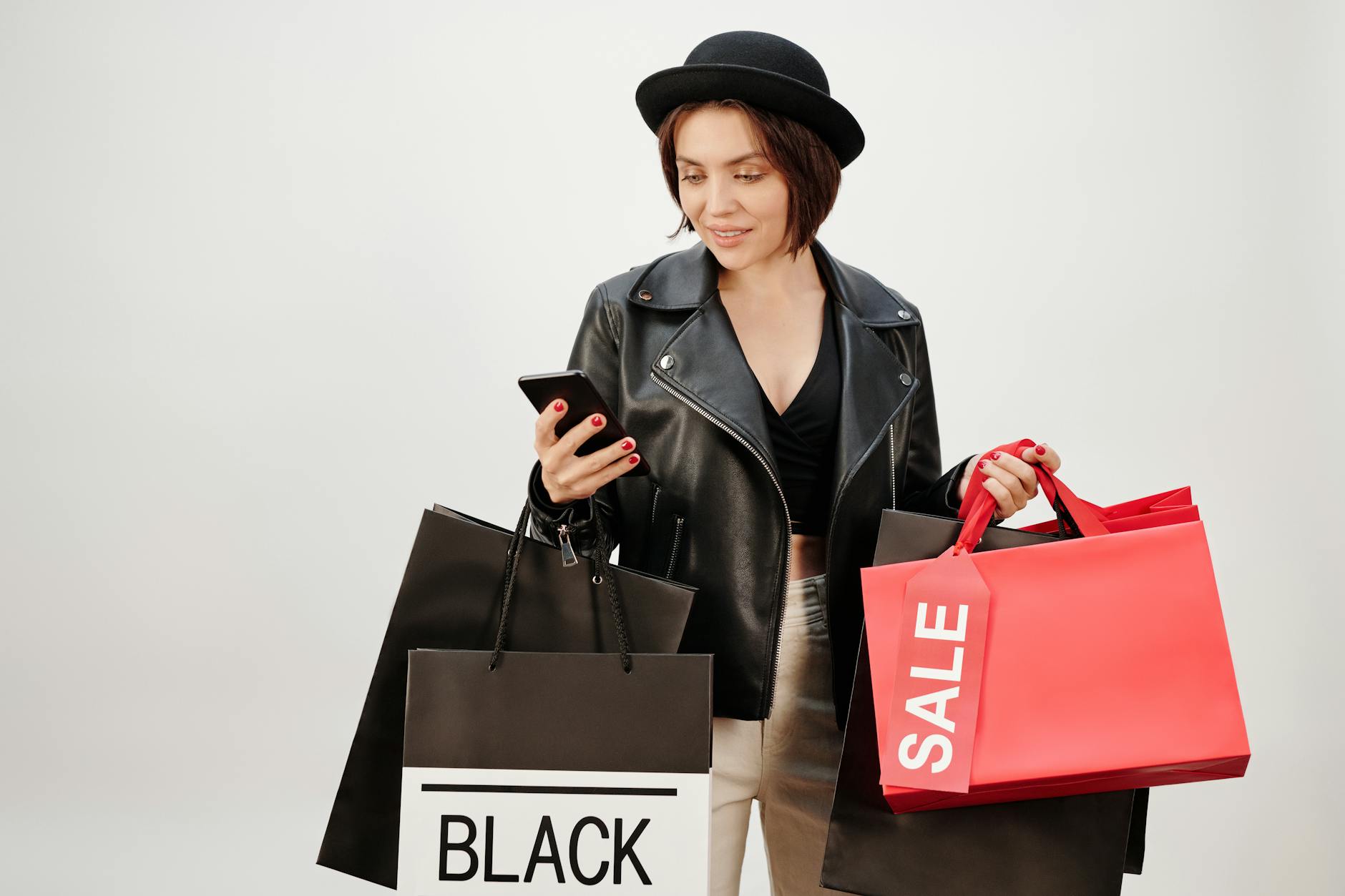
Traditional e-commerce relies on a deliberate process: search, compare, add to cart, check out. TikTok Shop obliterates this model by embedding purchase options directly into video content. When beauty influencer James Charles demonstrates a skincare routine, viewers can tap a shopping icon and buy the exact products he’s using without pausing the video.
This seamless integration addresses what has long been e-commerce’s biggest pain point-cart abandonment. Industry data shows that roughly 70% of online shopping carts are abandoned before purchase, often because the buying process requires too many steps or forces users to leave their current platform. Shopify’s recent AI checkout innovations attempt to solve this problem, but TikTok sidesteps it entirely by eliminating the cart altogether.
The platform’s algorithm also learns from purchasing behavior, serving users products they’re more likely to buy based on their viewing patterns. If someone consistently watches cooking videos, they’ll see kitchen gadgets and specialty ingredients integrated naturally into their feed. This predictive commerce model makes impulse buying feel intentional rather than manipulative.
Major retailers are taking notice. Target has expanded its TikTok advertising significantly, while Walmart has been testing exclusive product launches through TikTok Shop. These partnerships represent a fundamental shift in how brands think about customer acquisition-from driving traffic to their own sites to meeting customers where they already spend their time.
Creator Economy Meets Retail Revolution
TikTok’s creator program has evolved beyond brand sponsorships into full-scale retail partnerships. Top creators now operate essentially as personal shopping channels, with some generating millions in sales through product recommendations. This model turns social media influencers into powerful retail intermediaries, often more trusted than traditional advertising.
The platform’s live shopping feature takes this further, allowing creators to host real-time product demonstrations while viewers purchase instantly. During a recent live session, fashion creator Emma Chamberlain sold out multiple clothing items in under an hour, with viewers buying products as she tried them on. This real-time commerce model creates urgency and social proof simultaneously-viewers see others purchasing and feel compelled to join in.
This creator-driven commerce is particularly effective with younger demographics who increasingly distrust traditional advertising. A recent study found that 67% of Gen Z consumers trust product recommendations from creators they follow more than celebrity endorsements or brand advertising. TikTok has monetized this trust by making the path from recommendation to purchase frictionless.
The platform also enables smaller creators to participate in e-commerce through its affiliate program, democratizing retail partnerships that were previously limited to major influencers. A creator with 10,000 followers can now earn commission on product sales, creating a vast network of micro-retailers across the platform.
Traditional Retailers Fight Back
Established e-commerce platforms are responding with their own social commerce initiatives, but most feel like retrofitted solutions rather than native experiences. Instagram Shopping and Facebook Marketplace attempt similar integration, but lack TikTok’s addictive algorithm and seamless user experience.
Amazon, the undisputed king of online retail, has struggled to match TikTok’s social commerce success. The company’s attempts at social features, including Amazon Live and influencer storefronts, haven’t gained significant traction. Amazon’s strength-comprehensive product selection and logistics-becomes less relevant when consumers are making impulse purchases based on entertainment rather than need.
Traditional retailers are also grappling with TikTok’s pricing pressure. The platform’s predominantly young user base is price-sensitive, forcing brands to offer TikTok-exclusive discounts and deals. This creates a race to the bottom that threatens margins across the industry.
Some companies are choosing partnership over competition. Sephora has integrated its entire product catalog with TikTok Shop, allowing users to purchase makeup directly from beauty tutorials. Best Buy has created TikTok-exclusive bundles for gaming and tech products, recognizing that fighting the platform is less effective than embracing it.
The Algorithm Advantage
TikTok’s recommendation algorithm gives it a unique advantage in e-commerce that traditional retailers struggle to replicate. While Amazon’s algorithm suggests products based on search and purchase history, TikTok’s system understands user preferences through content consumption patterns, creating more nuanced and effective product targeting.
The platform can predict what someone might want to buy based on the types of videos they watch, how long they watch them, and what they comment on. This behavioral data often proves more valuable than traditional demographic information, allowing for hyper-targeted product placement that feels organic rather than intrusive.
This algorithmic sophistication extends to inventory management and trend prediction. TikTok can identify emerging product trends weeks before they hit mainstream e-commerce platforms, giving partnered brands early insight into consumer demand. This predictive capability has proven especially valuable in fashion and beauty, where trends change rapidly.


The Future of Social Commerce
TikTok’s success is accelerating a broader shift toward social commerce across all platforms. YouTube is testing shopping features integrated with creator content, while newer platforms like BeReal are exploring commerce partnerships. The line between social media and e-commerce is disappearing entirely.
This evolution poses significant challenges for traditional retailers who built their businesses around driving traffic to standalone e-commerce sites. The future likely belongs to platforms that can seamlessly blend entertainment, social interaction, and commerce into a single experience.
Regulatory concerns around TikTok’s Chinese ownership add uncertainty to this transformation. Potential restrictions or forced sales could disrupt the social commerce ecosystem, but the consumer behavior changes TikTok has triggered appear permanent. Even if TikTok faces restrictions, the demand for entertainment-integrated shopping experiences will persist.
The next phase of this revolution will likely involve augmented reality shopping, live commerce events, and even more sophisticated personalization. TikTok has proven that the future of online retail isn’t about better search functions or faster shipping-it’s about making shopping feel less like shopping and more like entertainment.
As traditional retailers adapt to this new reality, success will depend on their ability to create engaging, social experiences around their products rather than simply optimizing transaction efficiency. The companies that figure out how to make shopping fun will win the next decade of e-commerce growth.
Frequently Asked Questions
How does TikTok Shop work differently from traditional online shopping?
TikTok Shop lets users buy products directly within videos without leaving the app, eliminating the traditional cart and checkout process.
Why are traditional retailers struggling to compete with TikTok’s commerce model?
TikTok combines entertainment with shopping, creating impulse purchases driven by algorithms rather than deliberate product searches.