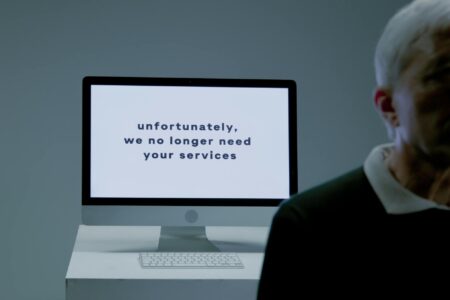







YouTube’s latest revenue-sharing adjustments have sent ripples through the independent filmmaking community, with creators reporting significant changes in how their content performs financially on the platform. The modifications, which affect how ad revenue gets distributed between long-form content and YouTube Shorts, are forcing indie filmmakers to rethink their entire content strategies.
The changes come as YouTube continues to compete with TikTok and Instagram Reels, prioritizing short-form content while traditional filmmakers struggle to adapt their craft to new formats. Independent creators who built their channels around feature-length documentaries, narrative shorts, and film analysis videos are now seeing dramatically different monetization outcomes.


The Revenue Split Reality
YouTube’s Creator Fund for Shorts operates differently from traditional long-form video monetization. While standard videos share ad revenue directly with creators through the Partner Program, Shorts revenue gets pooled from all eligible videos and distributed based on view count and engagement metrics. This fundamental shift means that a 30-minute documentary might generate less revenue than a 60-second behind-the-scenes clip.
Independent filmmaker Maria Rodriguez, who runs a channel focused on Latino representation in cinema, saw her monthly earnings drop by 40% after the changes took effect. “My in-depth film analysis videos that took weeks to research and edit are being outperformed financially by quick movie recommendation videos I shoot on my phone,” Rodriguez explains. Her experience mirrors that of hundreds of other creators who built audiences around longer-form content.
The platform’s algorithm now heavily favors content under 60 seconds, pushing creators toward bite-sized videos that often can’t capture the nuance and depth that independent filmmakers want to showcase. This creates a tension between artistic integrity and financial sustainability that many creators are struggling to resolve.
Creative Adaptation Strategies
Some filmmakers are finding innovative ways to work within the new system. Documentary filmmaker James Chen has started breaking his longer pieces into serialized Shorts, creating cliffhanger moments that drive viewers to watch subsequent episodes. “Instead of fighting the algorithm, I’m using it as a storytelling device,” Chen says. His series on sustainable fashion has gained more traction in its serialized format than his previous traditional documentaries.
Other creators are developing hybrid approaches, using Shorts as trailers or teasers for longer content hosted on external platforms like Vimeo or their own websites. This strategy treats YouTube as a discovery engine rather than the primary viewing destination, though it complicates the monetization equation.
Film school graduate and YouTube creator Alex Thompson has pivoted to creating “micro-documentaries” that tell complete stories within the Short format constraints. “I’m learning to be more precise with my storytelling,” Thompson notes. “Every second has to count in ways that traditional filmmaking doesn’t demand.”


The challenge extends beyond individual creators to film education itself. Several film schools are now incorporating Short-form content creation into their curricula, recognizing that graduates need to understand these platforms to build sustainable careers. The shift represents a fundamental change in how we think about film as a medium.
Platform Competition and Creator Loyalty
The revenue changes are happening against the backdrop of intensifying competition between social media platforms. TikTok’s Creator Fund and Instagram’s Reels Play Bonus program have created alternative monetization paths that some YouTube creators are exploring. However, jumping platforms means potentially abandoning years of audience building and algorithmic understanding.
Independent filmmakers face a unique challenge because their content often requires higher production values and longer development cycles than typical social media content. The economics of spending weeks creating a short film that might earn less than a quick reaction video is forcing many creators to reconsider their content strategies entirely.
Some creators are diversifying their revenue streams beyond platform-based monetization. Crowdfunding through Patreon or Ko-fi, selling courses, and securing brand partnerships are becoming essential supplements to YouTube revenue. This mirrors broader trends in the creator economy, where successful creators rarely depend on a single income source.
The changes are also affecting how brands approach influencer partnerships with filmmakers. Companies that previously sponsored longer-form content are now requesting Short-format deliverables, often at lower rates that don’t reflect the creator’s expertise or audience quality.
Industry Response and Future Implications
Traditional film industry players are watching these developments closely. Some production companies are experimenting with Short-form content as a marketing tool for larger projects, while others are questioning whether platforms optimized for quick consumption can support serious filmmaking at all.
The Documentary Filmmakers Alliance has started hosting virtual workshops on platform adaptation, helping members understand new monetization models without compromising their artistic vision. These sessions cover everything from vertical video composition to serialized storytelling techniques that work within platform constraints.

Streaming platforms like Netflix and Spotify are also adapting their content strategies to compete with short-form platforms, creating opportunities for creators who can bridge traditional and social media formats.
Looking ahead, YouTube’s revenue-sharing evolution reflects broader questions about how creative industries adapt to changing consumer behaviors and platform economics. Independent filmmakers who successfully navigate this transition may find new audiences and revenue opportunities, but the adjustment period is proving challenging for many creators who built their careers around different content models.
The platform has hinted at additional changes to creator monetization, including potential adjustments to how educational and documentary content gets weighted in revenue calculations. These developments could significantly impact how independent filmmakers approach their craft and business strategies in the coming years.
As the digital content landscape continues evolving rapidly, successful independent filmmakers are those who can maintain their creative vision while adapting to new distribution and monetization realities. The challenge lies in finding ways to honor the depth and nuance that independent cinema brings to storytelling while working within systems designed for immediate gratification and rapid consumption.
Frequently Asked Questions
How do YouTube Shorts revenue payouts differ from regular videos?
Shorts revenue gets pooled and distributed based on views and engagement, while regular videos share ad revenue directly with creators through the Partner Program.
Are independent filmmakers leaving YouTube for other platforms?
Some are exploring alternatives like TikTok and Instagram Reels, but most are adapting their strategies rather than abandoning their established YouTube audiences.