







Former Netflix engineers who helped build the streaming giant’s recommendation algorithms and content delivery systems are now turning their expertise toward an unexpected market: churches looking to modernize their digital presence.
The pandemic accelerated a digital transformation in religious communities that many church leaders weren’t prepared for. When physical gatherings became impossible, congregations scrambled to move services online, often relying on basic Facebook Live streams or Zoom calls. Now, as hybrid worship becomes the norm, a new wave of startups founded by former streaming platform engineers is emerging to serve this specialized market.
These entrepreneurs bring deep technical knowledge of video compression, content management, and user engagement systems-skills honed at companies that stream to millions of users daily. They’re applying this expertise to solve unique challenges that churches face, from managing sermon archives to creating interactive worship experiences for remote congregants.

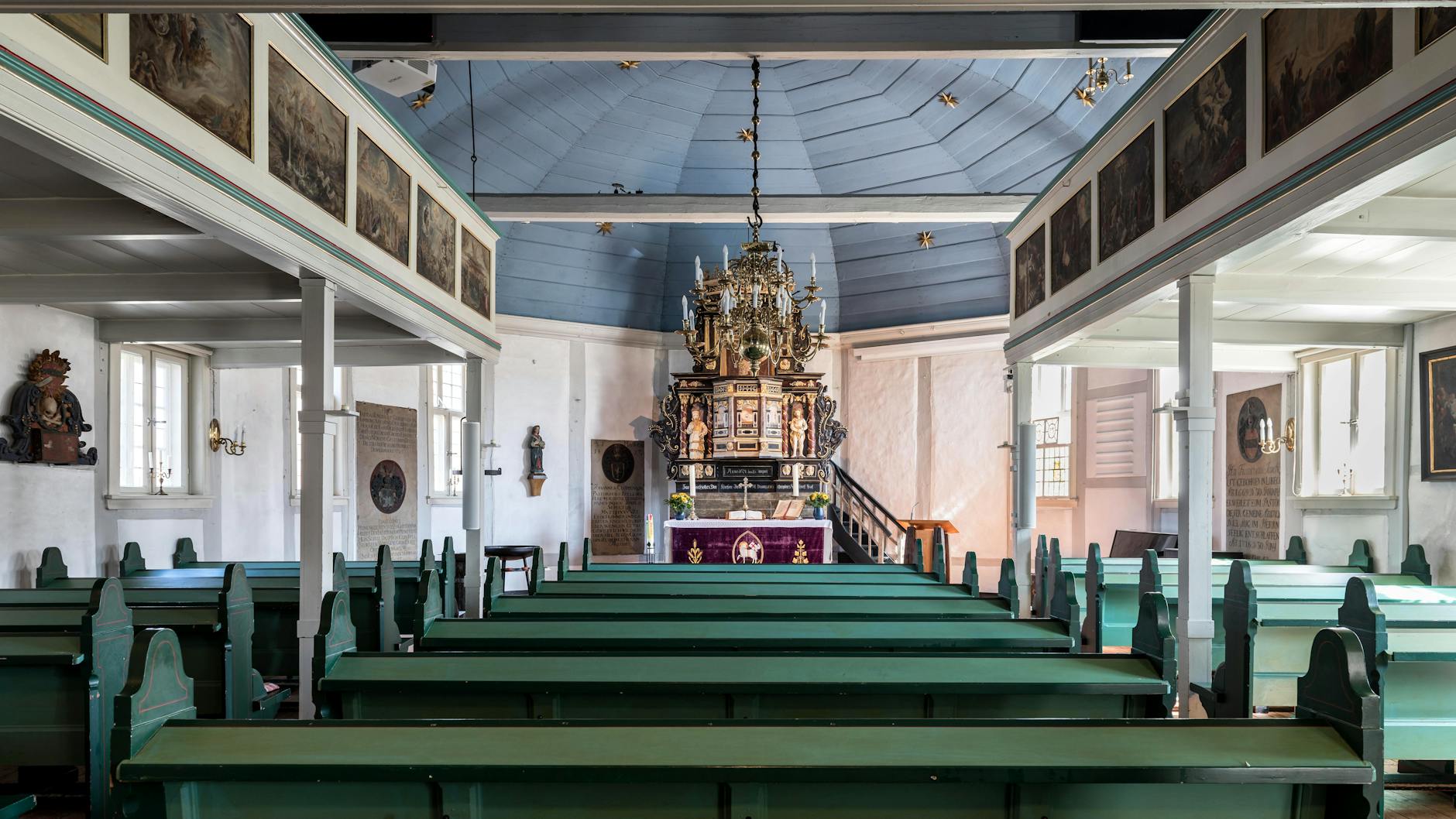
The Church Streaming Market Takes Shape
The religious streaming market has grown rapidly since 2020. According to industry research, over 70% of churches now offer some form of online services, compared to just 30% before the pandemic. This shift created demand for platforms designed specifically for religious content, rather than generic streaming solutions.
Several startups have emerged to fill this gap. Companies like SermonCast, ChurchStreaming, and FaithTech have raised venture funding to build platforms tailored to religious organizations. These platforms typically offer features like automated sermon transcription, prayer request management, and integration with church management software.
The technical challenges are similar to mainstream streaming but with unique requirements. Churches need reliable streaming that works on limited budgets, often with volunteer technical staff. They also require content management systems that can organize years of sermon archives and make them searchable by topic or scripture reference.
Many of these startup founders previously worked at major streaming platforms. They understand the complexity of delivering high-quality video to diverse audiences across different devices and internet connections-knowledge that translates directly to helping churches reach their congregations effectively.
Building for a Different Kind of Audience
Unlike entertainment streaming, church platforms must handle specific use cases that mainstream services don’t address. Interactive prayer walls, live chat moderation for family-friendly content, and integration with donation systems are just some of the specialized features these platforms provide.
The engineering challenges involve optimizing for audience behavior patterns unique to religious services. Church streams often see sudden traffic spikes during popular sermon series or holiday services, requiring infrastructure that can scale quickly. The audience also tends to be more diverse in terms of age and technical comfort level, demanding intuitive interfaces that work for everyone from teenagers to elderly congregants.
Security and content protection present additional considerations. Churches want to prevent their content from being taken out of context or misused, while still making it accessible to their intended audience. This requires sophisticated access controls and content protection systems.
The business model differs significantly from consumer streaming platforms. Churches typically pay monthly or annual subscriptions rather than per-stream fees, and pricing must accommodate organizations with vastly different sizes and budgets. Some platforms offer tiered pricing that scales from small rural churches to large megachurches with multiple campuses.


Learning from Big Tech Playbooks
Former Netflix and YouTube engineers bring valuable experience in recommendation systems, which they’re adapting for religious content. Instead of suggesting the next binge-worthy series, these systems help congregants find relevant sermons, Bible study materials, or worship songs based on their viewing history and preferences.
The approach mirrors trends in other industries where former big tech employees are building specialized platforms. Similar to how former Uber executives are building AI-powered logistics companies, these church streaming entrepreneurs are taking proven technical frameworks and applying them to underserved markets.
Content delivery networks present another area where big tech experience proves valuable. Engineers who previously optimized Netflix’s global streaming infrastructure understand how to deliver video efficiently to users with varying internet speeds and device capabilities-crucial for reaching rural congregations or international missionaries.
Analytics and engagement metrics require careful adaptation for religious contexts. While entertainment platforms track watch time and completion rates to drive more viewing, church platforms focus on metrics that support spiritual growth and community building. This might include tracking which sermon topics resonate most with the congregation or identifying members who haven’t engaged with online content recently.
The Technical Infrastructure Challenge
Building reliable streaming infrastructure requires significant technical expertise and capital investment. Churches can’t afford the downtime that might be acceptable for entertainment content, especially during important services like Easter or Christmas.
The engineering teams behind these platforms often implement redundant systems and multiple content delivery networks to ensure reliability. They also build automated failover systems that can switch to backup streams if primary systems fail during live services.
Mobile optimization presents unique challenges for church streaming. Many congregants access services on older smartphones or tablets, requiring careful optimization of video encoding and user interface design. The platforms must also work reliably on various mobile networks, from high-speed 5G in urban areas to limited connectivity in rural regions.


The Future of Digital Ministry
As these platforms mature, they’re expanding beyond basic streaming to offer comprehensive digital ministry solutions. Features like virtual small group meetings, online baptism celebrations, and integrated giving platforms are becoming standard offerings.
The market opportunity continues growing as younger, tech-savvy pastors take leadership roles and established churches recognize the importance of digital engagement. Even as in-person attendance returns to pre-pandemic levels, many churches maintain robust online presences to serve members who travel, are homebound, or prefer hybrid participation.
Investment in this sector reflects broader trends in specialized software markets. Just as meditation app companies are finding success targeting corporate wellness programs, church streaming platforms are discovering that serving niche markets with specific needs can be more profitable than competing in crowded consumer markets.
The next generation of church streaming platforms will likely incorporate emerging technologies like virtual reality for immersive worship experiences and artificial intelligence for automated content creation and community management. However, the core challenge remains the same: applying sophisticated technology to serve communities that value personal connection and spiritual authenticity above technological novelty.
Frequently Asked Questions
Why are former Netflix engineers building church streaming platforms?
They’re applying their streaming expertise to serve the growing market of churches needing specialized digital ministry solutions beyond basic video streaming.
How do church streaming platforms differ from regular streaming services?
They offer features like sermon archives, prayer walls, donation integration, and family-friendly chat moderation designed specifically for religious content.