







The electric motorcycle industry is experiencing an unlikely talent influx: former Tesla engineers are leaving the world’s most valuable automaker to launch their own two-wheeled ventures. These departures signal more than just career changes – they represent a strategic shift toward smaller, more agile vehicles that could define urban mobility’s future.
The exodus began quietly in 2019 and accelerated through the pandemic as engineers reassessed their priorities. Unlike the mass departures seen at other tech companies, these Tesla veterans aren’t just job-hopping – they’re building direct competitors in the electric vehicle space, applying lessons learned from scaling EV production to a market ripe for disruption.

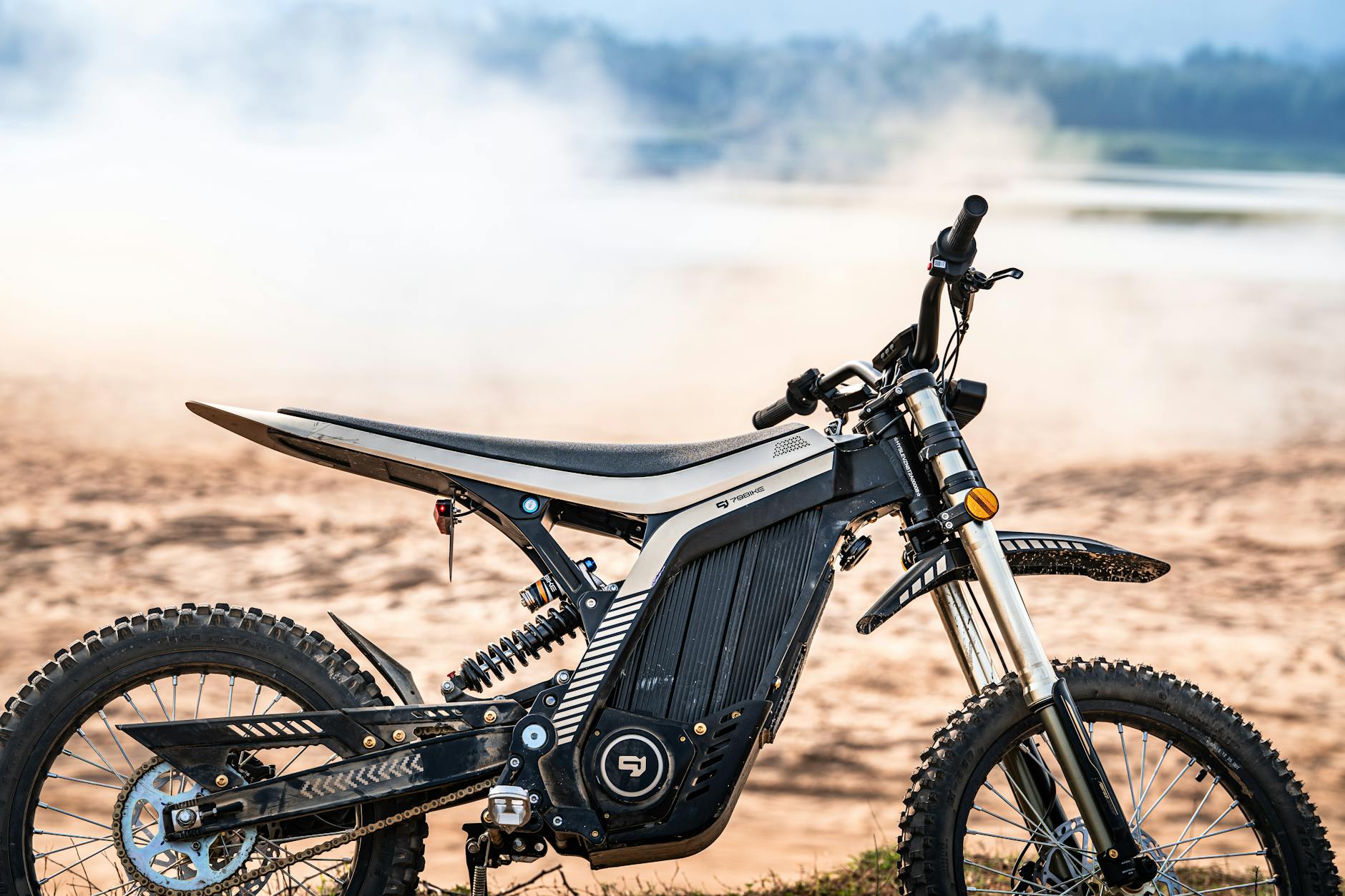
The Tesla Training Ground Advantage
Tesla’s unique position as both a startup and industry leader created an unmatched training environment for engineers. Former employees describe intense problem-solving cultures where teams tackled everything from battery chemistry to manufacturing automation under extreme time pressure.
“Tesla taught us to think differently about electric drivetrains,” says a former powertrain engineer who recently launched an electric motorcycle startup. “We learned to optimize for efficiency and performance simultaneously, skills directly applicable to motorcycles.”
The company’s vertical integration model – controlling everything from batteries to software – gave engineers broad exposure to the entire EV ecosystem. This comprehensive understanding proves invaluable when building motorcycles, which require similar integration but with different size and weight constraints.
Tesla’s rapid iteration culture also shaped engineering approaches. Former employees describe building and testing prototypes weekly, failing fast, and implementing changes immediately. This agility translates perfectly to motorcycle development, where smaller teams can pivot more quickly than traditional automotive manufacturers.
Market Timing Meets Technical Expertise
The electric motorcycle market presents compelling opportunities that didn’t exist during Tesla’s early days. Urban congestion and parking limitations make motorcycles increasingly attractive, while battery technology has finally reached price and performance thresholds that make electric motorcycles competitive with gas alternatives.
Several former Tesla engineers point to specific technical breakthroughs that make motorcycle ventures viable now. Battery energy density improvements allow reasonable range without excessive weight, while charging infrastructure expansion addresses range anxiety concerns.
The motorcycle market also lacks a dominant electric player equivalent to Tesla in cars. Traditional motorcycle manufacturers like Harley-Davidson and Honda have electric models, but their legacy business models limit innovation speed. This creates space for Tesla-trained engineers to establish market leadership.
Manufacturing presents different challenges than cars but ones these engineers understand. Motorcycle production volumes are smaller, making the capital requirements more manageable for startups. Former Tesla manufacturing engineers bring expertise in automation and quality control that can provide significant competitive advantages.

From Automotive Scale to Motorcycle Agility
The transition from automotive to motorcycle engineering requires significant mindset shifts, but former Tesla employees seem uniquely prepared. Car engineering prioritizes passenger safety and comfort, while motorcycles emphasize performance and weight optimization – skills Tesla’s performance-focused culture developed extensively.
Battery packaging presents particularly interesting challenges. Cars can accommodate large, heavy battery packs, while motorcycles demand creative solutions to integrate sufficient energy storage without compromising handling. Former Tesla battery engineers are applying thermal management and packaging lessons to these space-constrained environments.
Software integration represents another area where Tesla experience provides advantages. Modern motorcycles increasingly rely on electronic systems for everything from traction control to connectivity features. Tesla’s software-first approach to vehicle development translates well to motorcycles, where riders expect seamless digital experiences.
The direct-sales model Tesla pioneered also appeals to motorcycle entrepreneurs. Traditional motorcycle dealers add costs and complexity that many former Tesla employees want to eliminate. Direct sales allow closer customer relationships and higher margins – critical factors for startups building premium electric motorcycles.
Building Beyond Traditional Boundaries
These new motorcycle companies aren’t simply copying Tesla’s playbook. They’re adapting lessons learned while addressing motorcycle-specific challenges Tesla never faced. Weight distribution, rider ergonomics, and handling characteristics require different engineering approaches than four-wheeled vehicles.
Several startups are exploring motorcycle-specific innovations Tesla couldn’t pursue. Swappable batteries make more sense for motorcycles than cars, potentially solving charging infrastructure challenges. Some former Tesla engineers are developing battery-swapping networks specifically for urban motorcycle users.
The community aspect of motorcycle culture also differs significantly from car ownership. Former Tesla engineers are building social features and rider networks into their products, recognizing that motorcycle purchases often involve lifestyle choices rather than pure transportation needs.
Challenges in the Transition
Despite their Tesla backgrounds, these entrepreneurs face significant challenges. Motorcycle safety regulations differ from automotive standards, requiring new expertise and testing protocols. The motorcycle customer base also differs significantly from Tesla’s early adopters, demanding different approaches to marketing and product development.
Funding represents another challenge. While electric car startups attracted massive investment, motorcycle ventures struggle to generate similar investor enthusiasm. Smaller market sizes and lower unit prices limit potential returns, making capital raising more difficult despite proven engineering talent.
Manufacturing scale presents complex trade-offs. Tesla’s gigafactory approach doesn’t translate directly to motorcycles, where regional production might make more sense. Former Tesla engineers must adapt mass production principles to smaller, more flexible manufacturing strategies.

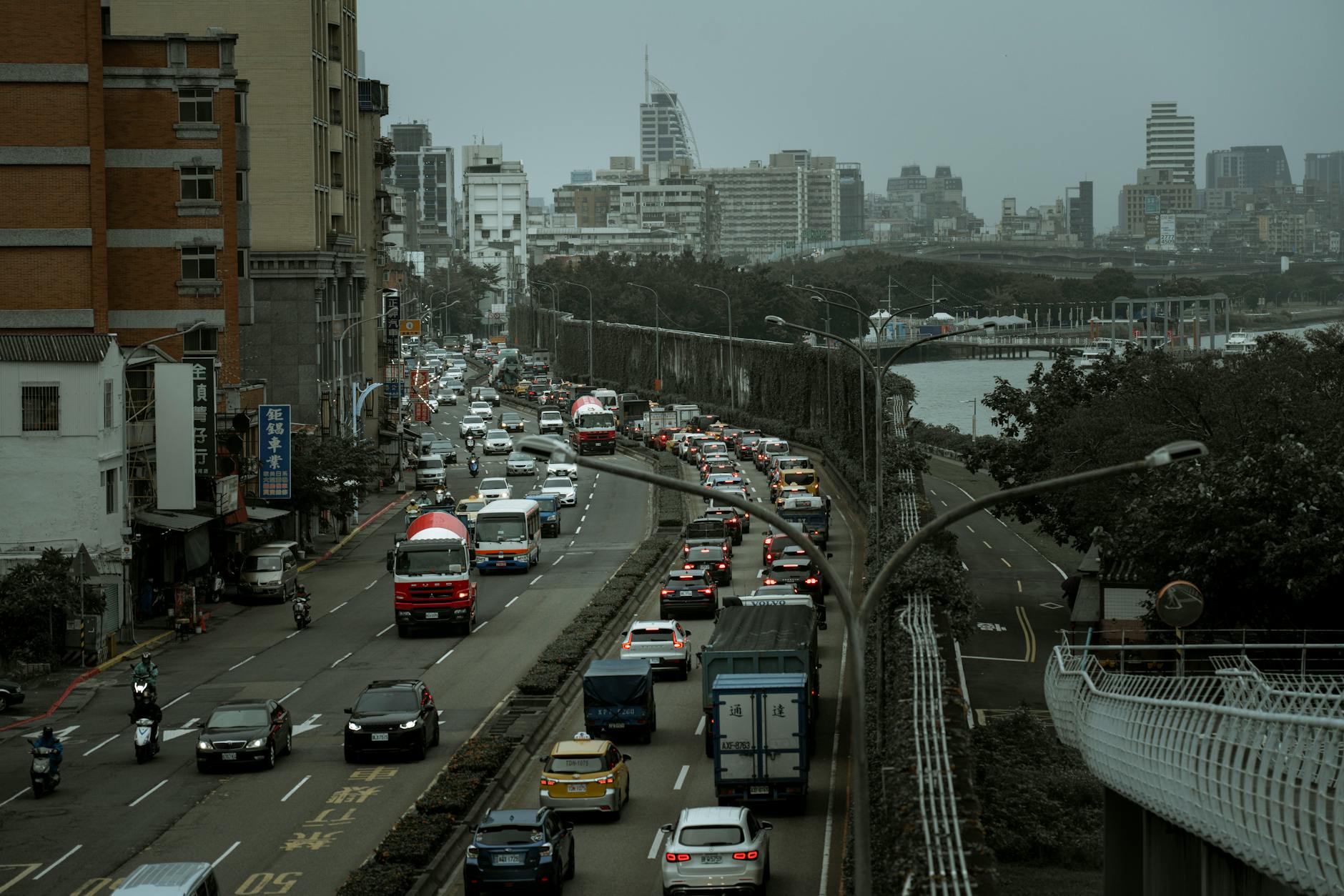
The trend mirrors broader patterns of tech talent migration, similar to how former Google engineers are building neighborhood social networks. These engineers are applying skills learned at large tech companies to more focused, specialized markets where they can have greater individual impact.
As urban transportation needs evolve, these Tesla veterans are positioning themselves at the forefront of mobility innovation. Their technical expertise, combined with deep understanding of electric vehicle development, could reshape motorcycle transportation just as Tesla transformed the automotive industry. The next few years will determine whether their Tesla training translates into motorcycle market success.
Frequently Asked Questions
Why are Tesla engineers starting motorcycle companies?
They’re applying EV expertise to a market with less competition and better timing for electric motorcycles, using skills learned scaling Tesla’s operations.
What advantages do former Tesla engineers have in motorcycles?
They understand battery integration, electric drivetrains, software systems, and rapid prototyping from Tesla’s comprehensive EV development experience.