







The rideshare revolution created more than just convenient transportation – it birthed a generation of logistics masterminds who learned to move millions of people and products at unprecedented scale. Now these former Uber executives are applying those hard-won lessons to build the next wave of AI-powered logistics companies, armed with insider knowledge of what it takes to orchestrate complex delivery networks.
Travis Kalanick, Uber’s co-founder, made headlines when he launched CloudKitchens, a ghost kitchen network that uses data analytics to optimize food delivery operations. But he’s just one of dozens of former Uber leaders who’ve pivoted to AI-driven logistics ventures, recognizing that the same principles that made ridesharing successful can revolutionize everything from warehouse management to last-mile delivery.
The exodus reflects a broader trend in Silicon Valley, where veterans from platform companies are leveraging their experience to tackle adjacent problems. Similar to how former Tesla engineers are building electric motorcycle companies, these Uber alumni bring deep operational knowledge to new sectors ripe for disruption.

The Uber School of Hard Logistics
Working at Uber during its explosive growth phase was like getting an advanced degree in real-world logistics under extreme pressure. Executives learned to manage dynamic pricing algorithms, predict demand patterns across multiple cities, and coordinate millions of independent contractors – all while scaling from startup to global giant.
“Uber taught us that logistics is fundamentally about prediction and optimization,” says a former operations director who left to start an AI-powered freight company. “We spent years building systems that could predict where demand would spike and position drivers accordingly. That same thinking applies to any logistics challenge.”
The rideshare company’s approach to data-driven decision making became legendary within Silicon Valley. Teams used machine learning to optimize everything from driver onboarding to route efficiency, creating playbooks that many alumni now apply to new ventures. They learned to think in terms of network effects, marketplace dynamics, and the importance of real-time data in making split-second operational decisions.
Former Uber executives also gained experience managing complex regulatory environments across multiple jurisdictions. This skill proves invaluable when building logistics companies that must navigate shipping regulations, customs requirements, and local delivery restrictions across different markets.
AI as the New Competitive Advantage
Today’s logistics startups face different challenges than Uber did a decade ago. The infrastructure for cloud computing, mobile payments, and GPS tracking already exists. The new battleground is artificial intelligence – specifically, AI systems that can predict, optimize, and adapt faster than human operators.
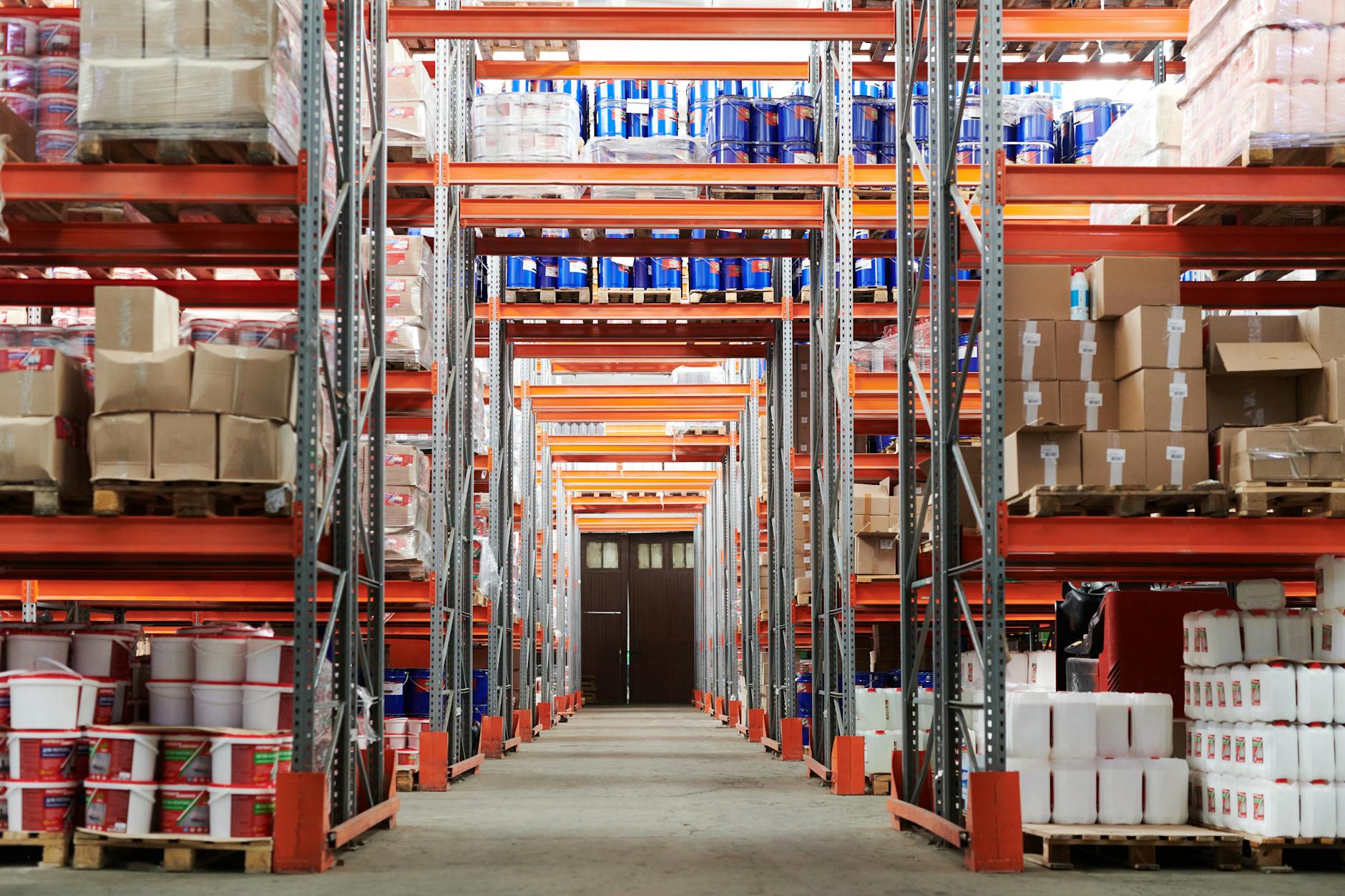
Several former Uber leaders have launched companies focused on warehouse automation. These ventures use computer vision and robotics to streamline inventory management, reduce picking errors, and optimize storage layouts. The AI systems learn from millions of transactions to predict which products should be positioned where for maximum efficiency.
Another wave of startups tackles the infamous “last mile” delivery problem. Former Uber product managers are building platforms that use AI to optimize delivery routes in real-time, accounting for traffic patterns, weather conditions, and customer preferences. These systems can dynamically adjust routes as new orders come in, similar to how rideshare apps reroute drivers based on demand.
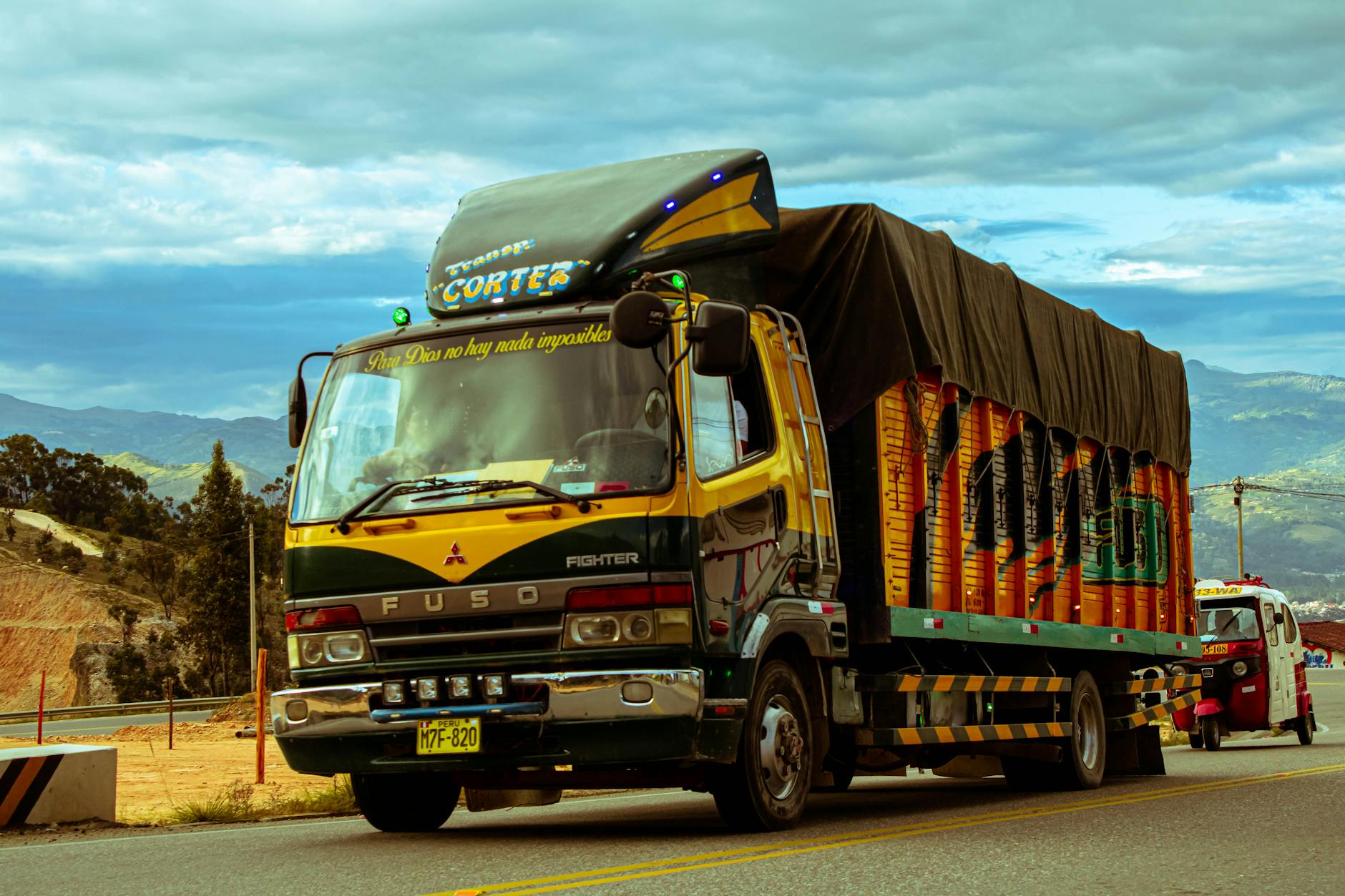
The supply chain visibility space has also attracted former Uber talent. These companies use AI to track shipments across complex global networks, predicting delays before they happen and suggesting alternative routes. The technology combines satellite data, port congestion information, and historical shipping patterns to give companies unprecedented visibility into their supply chains.
From Consumer Apps to Enterprise Solutions
While Uber focused primarily on consumer experiences, many of its alumni have shifted to building enterprise logistics solutions. This transition makes strategic sense – businesses have larger budgets, longer sales cycles, and more complex problems that justify premium pricing.
Former Uber engineers are developing AI-powered procurement platforms that help companies optimize their purchasing decisions. These systems analyze supplier performance, predict price fluctuations, and recommend optimal order timing. The platforms use similar matching algorithms that Uber developed for connecting riders with drivers, but adapted for connecting buyers with suppliers.
Fleet management represents another major opportunity. Several startups founded by Uber veterans focus on helping companies manage their own delivery fleets more efficiently. These platforms use AI to schedule maintenance, optimize fuel consumption, and predict vehicle replacement needs. The technology draws heavily from Uber’s experience managing millions of driver-partners across global markets.
The trend mirrors broader shifts in the startup ecosystem, where enterprise software often provides more stable revenue streams than consumer applications. Unlike meditation app companies targeting corporate wellness programs, these logistics startups address fundamental business operations that companies must optimize to remain competitive.
Challenges in the New Logistics Landscape
Despite their experience, former Uber executives face significant challenges in building AI-powered logistics companies. The competitive landscape has intensified, with tech giants like Amazon, Google, and Microsoft investing heavily in logistics AI. These companies have deeper pockets and access to vast datasets that smaller startups struggle to match.
Regulatory complexity also presents ongoing challenges. While Uber fought battles over rideshare regulations, logistics companies must navigate trade regulations, customs requirements, and safety standards that vary dramatically across industries and geographies. The stakes can be higher too – mistakes in logistics can disrupt entire supply chains rather than just inconveniencing individual customers.

Talent acquisition remains a persistent problem. The combination of logistics expertise and AI capabilities requires specialized skills that are in high demand. Former Uber executives often find themselves competing with established logistics companies and tech giants for the same pool of qualified engineers and operations specialists.
Customer adoption presents another hurdle. Many traditional logistics companies have been slow to embrace new technologies, preferring established systems and processes. Convincing these organizations to trust AI-powered solutions requires significant education and proof-of-concept demonstrations.
The Future of AI-Powered Logistics
Despite these challenges, the momentum behind AI-powered logistics continues to build. The COVID-19 pandemic highlighted vulnerabilities in global supply chains, creating urgency around logistics optimization. Companies that previously resisted new technologies now actively seek solutions that can provide greater visibility and resilience.
The convergence of several technologies is creating new opportunities. 5G networks enable real-time communication with IoT sensors throughout supply chains. Edge computing allows AI processing to happen closer to where decisions need to be made. Autonomous vehicles and drones promise to revolutionize last-mile delivery in the coming years.
Former Uber executives are well-positioned to capitalize on these trends. Their experience building scalable platforms, managing network effects, and navigating rapid growth provides valuable insights for the next generation of logistics companies. As AI technology continues to mature, their deep understanding of operational challenges could prove to be the differentiating factor in building successful ventures.
The logistics industry stands at an inflection point, much like transportation did when Uber first launched. The executives who learned to orchestrate millions of rides are now applying those lessons to orchestrate the movement of goods, powered by AI systems that can optimize operations at unprecedented scale and speed.
Frequently Asked Questions
Why are former Uber executives starting logistics companies?
They gained valuable experience in scaling operations, managing networks, and using data-driven optimization during Uber’s growth phase.
What makes AI important in modern logistics?
AI enables real-time optimization, predictive analytics, and automated decision-making that can dramatically improve efficiency and reduce costs.