






The indie gaming renaissance has reached a crossroads. Two powerhouse handheld consoles now dominate portable gaming, each offering distinct advantages for discovering and playing independent titles. Steam Deck brings PC gaming’s vast library to your hands, while Nintendo Switch OLED delivers Nintendo’s refined portable experience with a stunning screen upgrade.
Both systems excel at indie gaming, but their approaches couldn’t be more different. Steam Deck transforms your Steam library into a portable powerhouse, running everything from pixel-perfect platformers to demanding roguelikes. Nintendo Switch OLED counters with curated indie selections, seamless docked-to-handheld transitions, and that signature Nintendo polish.
The choice between these handhelds often comes down to your gaming ecosystem preferences and how you define the perfect indie experience. Let’s break down what each system brings to independent gaming.

Performance and Game Library Access
Steam Deck’s biggest advantage lies in raw access. Your existing Steam library becomes instantly portable, including thousands of indie titles you may have purchased during sales over the years. Games like “Hades,” “Celeste,” and “Dead Cells” run beautifully on Steam Deck’s custom AMD APU, often at higher frame rates than Switch versions.
The Steam Deck handles demanding indie games with ease. “Pizza Tower” maintains smooth 60fps gameplay, while “Blasphemous 2” showcases detailed pixel art without compression artifacts. More intensive indie titles like “Cuphead” or “Ori and the Will of the Wisps” benefit from Steam Deck’s additional horsepower, delivering effects and visual fidelity that the Switch hardware cannot match.
Nintendo Switch OLED takes a different approach. While less powerful than Steam Deck, the system excels at optimized experiences. Indie developers often create Switch-specific versions that maximize the hardware’s capabilities. Games like “Hollow Knight” and “Stardew Valley” feel perfectly at home on Switch, with controls and interfaces designed specifically for the platform.
Switch’s game library remains smaller but more curated. Nintendo’s eShop features regular indie showcases, and many developers prioritize Switch releases. Some indies remain Switch exclusives for months or even permanently, making the platform essential for completionist indie gamers.
Battery life favors Nintendo Switch OLED in most scenarios. The system delivers 4-6 hours of indie gaming compared to Steam Deck’s 2-4 hours, depending on the title’s demands. For longer gaming sessions without power access, Switch OLED maintains the advantage.
Display Quality and Handheld Experience
Nintendo Switch OLED’s screen represents the system’s crown jewel. The 7-inch OLED display delivers vibrant colors, perfect blacks, and excellent outdoor visibility. Indie games with striking art styles like “Gris” or “ABZU” look absolutely stunning on the OLED panel. The display’s 1280×720 resolution feels sharp at the 7-inch size, and the improved color saturation makes pixel art games pop with visual impact.
Steam Deck counters with a larger 7-inch LCD screen running at 1280×800 resolution. While lacking OLED’s color vibrancy, the display offers excellent clarity and brightness. The 16:10 aspect ratio provides more vertical space for many indie games, particularly those designed for PC monitors. Text readability excels on Steam Deck, crucial for text-heavy indie RPGs or visual novels.
Both systems handle different lighting conditions well, but OLED’s superior contrast makes Nintendo Switch the winner for dark room gaming. Steam Deck’s LCD performs better in bright sunlight, reducing glare and maintaining visibility.
Control schemes vary significantly between platforms. Steam Deck’s dual trackpads, back buttons, and customizable inputs make it incredibly versatile for indie games originally designed for mouse and keyboard. Point-and-click adventures, strategy games, and simulation titles that feel awkward on traditional controllers shine on Steam Deck.
Nintendo Switch OLED sticks with proven Joy-Con controls. While more limited in customization, the controls feel precise and responsive for platformers, action games, and Nintendo’s signature indies. The detachable Joy-Cons enable unique gameplay experiences that Steam Deck cannot replicate.

Ecosystem Integration and Value Proposition
Steam integration makes Steam Deck incredibly compelling for existing PC gamers. Your wishlist, achievements, friend connections, and save files sync seamlessly. Sales events become even more attractive when you know those discounted indies will work on both your desktop and handheld. The recent addition of Game Pass streaming expands options further, though this requires stable internet connectivity.
Nintendo’s ecosystem offers different benefits. Cross-platform saves work with many indies, letting you continue “Hades” runs between Switch and PC. Nintendo’s eShop frequently features indie sales, and Nintendo Gold Points provide small discounts on future purchases. The social aspects feel more integrated, with easy screenshot sharing and streamlined multiplayer for supported titles.
Price considerations favor Steam Deck for existing PC gamers. If you own hundreds of Steam indies, Steam Deck provides instant access without repurchasing games. However, the base Steam Deck starts at a higher price point than Switch OLED, and the recommended 512GB model costs significantly more.
Nintendo Switch OLED costs less upfront but requires rebuilding your indie library if coming from PC gaming. However, Switch versions often include additional content, Nintendo-specific features, or visual optimizations that justify repurchasing favorites.
Cloud saves and backup systems work reliably on both platforms, though Steam’s approach feels more robust for power users. Nintendo’s implementation works well but requires Nintendo Switch Online subscription for most games.
Like how we recently compared creative software options for different user needs, choosing between these handhelds depends on your specific gaming preferences and existing library investments.
Platform-Specific Advantages
Steam Deck shines with customization options. SteamOS allows extensive tweaking of graphics settings, performance profiles, and control schemes. Indie games benefit from these options, letting you prioritize battery life for longer “Stardew Valley” sessions or push visual quality for artistic showcases like “Journey.”
The desktop mode transforms Steam Deck into a full Linux PC. This enables emulation, alternative game stores, and productivity applications. Indie developers appreciate this flexibility, and some distribute games outside traditional storefronts that Steam Deck can access.
Nintendo Switch OLED excels at social gaming. Local multiplayer feels natural with detachable Joy-Cons, making party games like “Overcooked” or “Moving Out” immediately accessible. The dock connection to TVs creates seamless transitions from handheld indie gaming to living room entertainment.
Nintendo’s first-party support for indies creates unique opportunities. Games like “Cadence of Hyrule” blend indie creativity with Nintendo franchises, creating experiences impossible on other platforms. Nintendo’s indie showcases during Direct presentations provide significant marketing boosts for featured games.
Modding support favors Steam Deck significantly. Many indie games support Steam Workshop integration or community modifications that enhance replay value. Nintendo Switch’s closed ecosystem prevents most modding, limiting long-term customization options.
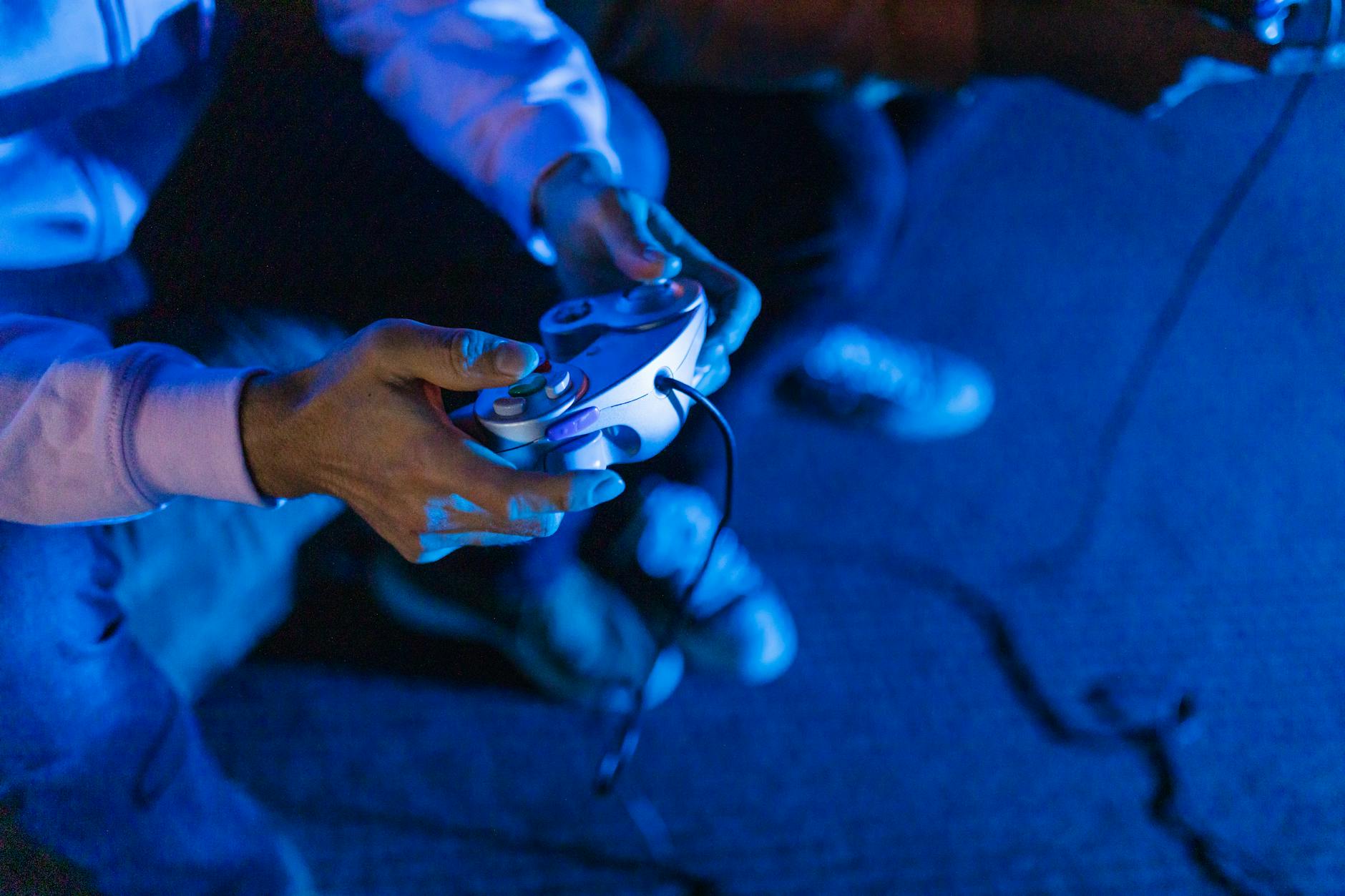
Both handhelds represent excellent choices for indie gaming, but they serve different audiences and use cases. Steam Deck appeals to PC gamers seeking library portability and maximum flexibility. Nintendo Switch OLED attracts players prioritizing battery life, display quality, and curated gaming experiences.
The indie gaming landscape continues evolving rapidly, with new releases weekly and established titles receiving ongoing updates. Both platforms will likely receive hardware refreshes in coming years, potentially shifting these comparisons. For now, Steam Deck dominates raw performance and library access, while Switch OLED leads in display quality and battery efficiency.
Your choice ultimately depends on whether you value Steam’s vast library and customization options or Nintendo’s polished handheld experience and stunning OLED display. Both systems will provide hundreds of hours of exceptional indie gaming entertainment.
Frequently Asked Questions
Which handheld has better battery life for indie games?
Nintendo Switch OLED typically delivers 4-6 hours compared to Steam Deck’s 2-4 hours, depending on game demands and settings.
Can Steam Deck play all Steam indie games?
Most Steam indie games work on Steam Deck, though some may require tweaking settings or have minor compatibility issues with SteamOS.