







BeReal’s meteoric rise from authentic photo-sharing darling to struggling social media afterthought has created an unexpected ripple effect across the digital landscape. As the app’s daily active users plummet from its peak of 20 million in late 2022 to fewer than 6 million today, former users aren’t flocking back to Instagram or TikTok as many predicted. Instead, they’re retreating to intimate, private photo-sharing apps that promise the authenticity BeReal once delivered without the performance pressure that ultimately killed it.
The shift represents a fundamental rethinking of how people want to share their lives online. While BeReal’s concept of simultaneous front-and-back camera photos at random times initially felt revolutionary, users quickly learned to game the system. The “authentic” moments became carefully curated performances, defeating the app’s core purpose and leaving users more exhausted than ever by social media’s demands.

The Privacy Pivot: Where BeReal Refugees Are Landing
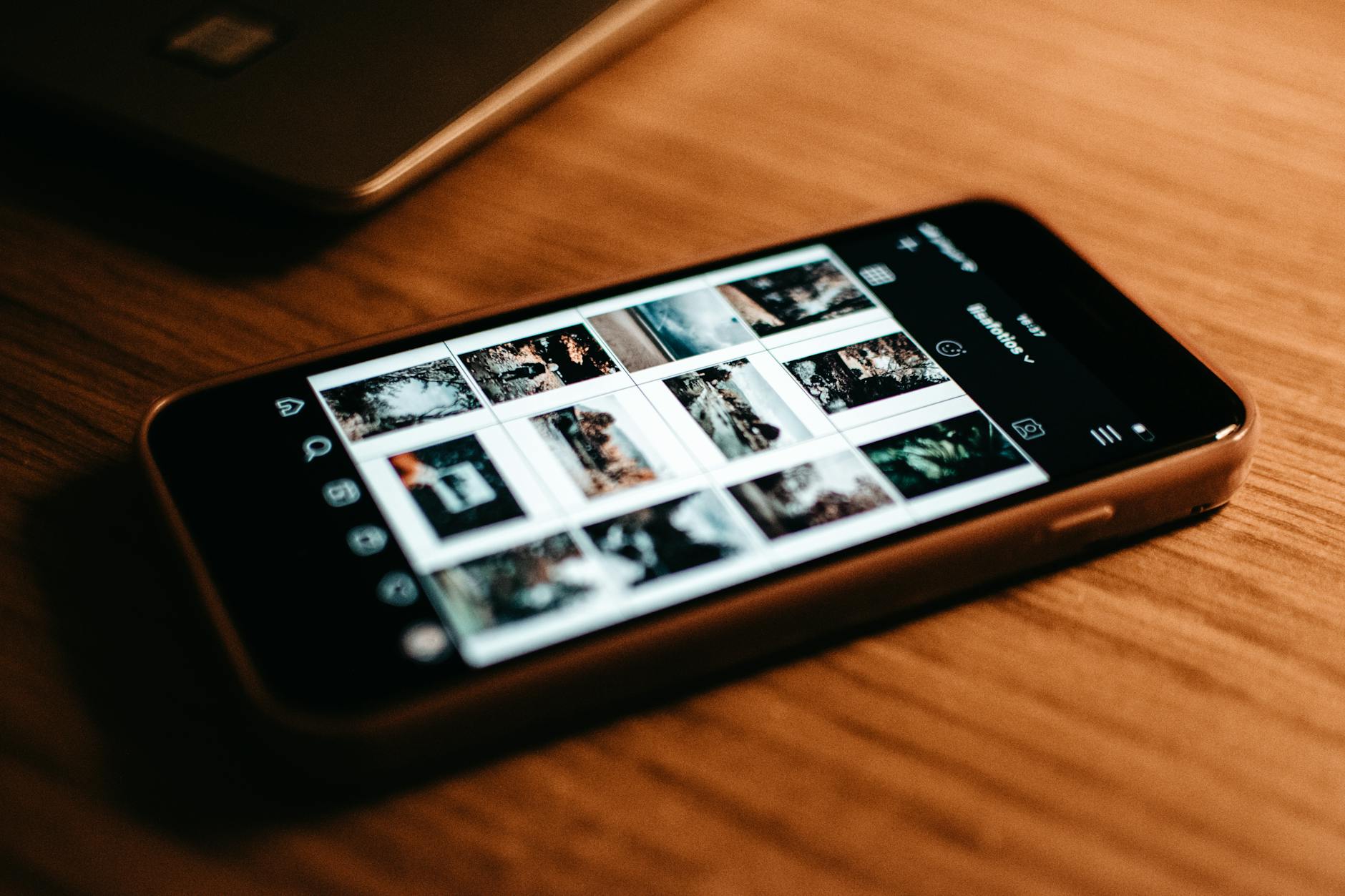
Private photo-sharing apps like Locket Widget, VSCO’s private spaces, and newcomer Daze are experiencing unprecedented growth as former BeReal users seek more intimate alternatives. Locket Widget, which allows friends to send photos directly to each other’s phone home screens, has seen downloads increase by 340% since BeReal’s decline began in earnest last year.
“People realized they don’t want to perform authenticity for an audience,” says Sarah Chen, a digital anthropologist studying social media behavior. “They want actual authenticity with people who matter to them.”
This trend mirrors broader shifts in social media consumption. Gen Z users increasingly report “social media fatigue” and are gravitating toward smaller, more private communities. Apps like Daze, which limits photo sharing to close friend groups with a maximum of eight people, are capitalizing on this desire for genuine connection without the pressure of public validation.
The move away from public sharing represents a significant departure from the past decade’s “broadcast yourself” mentality. Instead of posting for hundreds or thousands of followers, users are choosing apps that limit their audience to fewer than ten close friends. VSCO’s private journal feature, launched last year, has become one of the platform’s fastest-growing tools, with users creating photo diaries shared only with selected individuals.
The Authenticity Trap: Why BeReal’s Model Failed
BeReal’s downfall offers crucial insights into the impossibility of manufacturing authentic moments on demand. The app’s signature feature – sending simultaneous notifications to all users for their daily photo – created what researchers call “performative spontaneity.” Users began planning their days around potential BeReal notifications, keeping makeup handy and avoiding unflattering locations during peak posting hours.
“The irony is that BeReal became less authentic than Instagram,” notes Marcus Rodriguez, a social media researcher at NYU. “At least on Instagram, people know they’re performing. BeReal created this weird pressure to perform authenticity, which is perhaps the most inauthentic thing you can do.”
The app’s attempt to solve social media’s authenticity problem by removing filters and staged photos backfired when users realized that timing became the new filter. Popular BeReal accounts weren’t showing mundane moments but rather coincidentally perfect timing during interesting activities. The randomness that was supposed to level the playing field instead created a new form of social media anxiety.
Data from the app analytics firm Sensor Tower shows BeReal’s engagement rates dropping consistently throughout 2023, with users posting less frequently and spending less time in the app. Many users reported feeling guilty when they missed their daily BeReal or stressed about posting something interesting enough to warrant their friends’ attention.
The Rise of Micro-Communities and Close Friend Circles
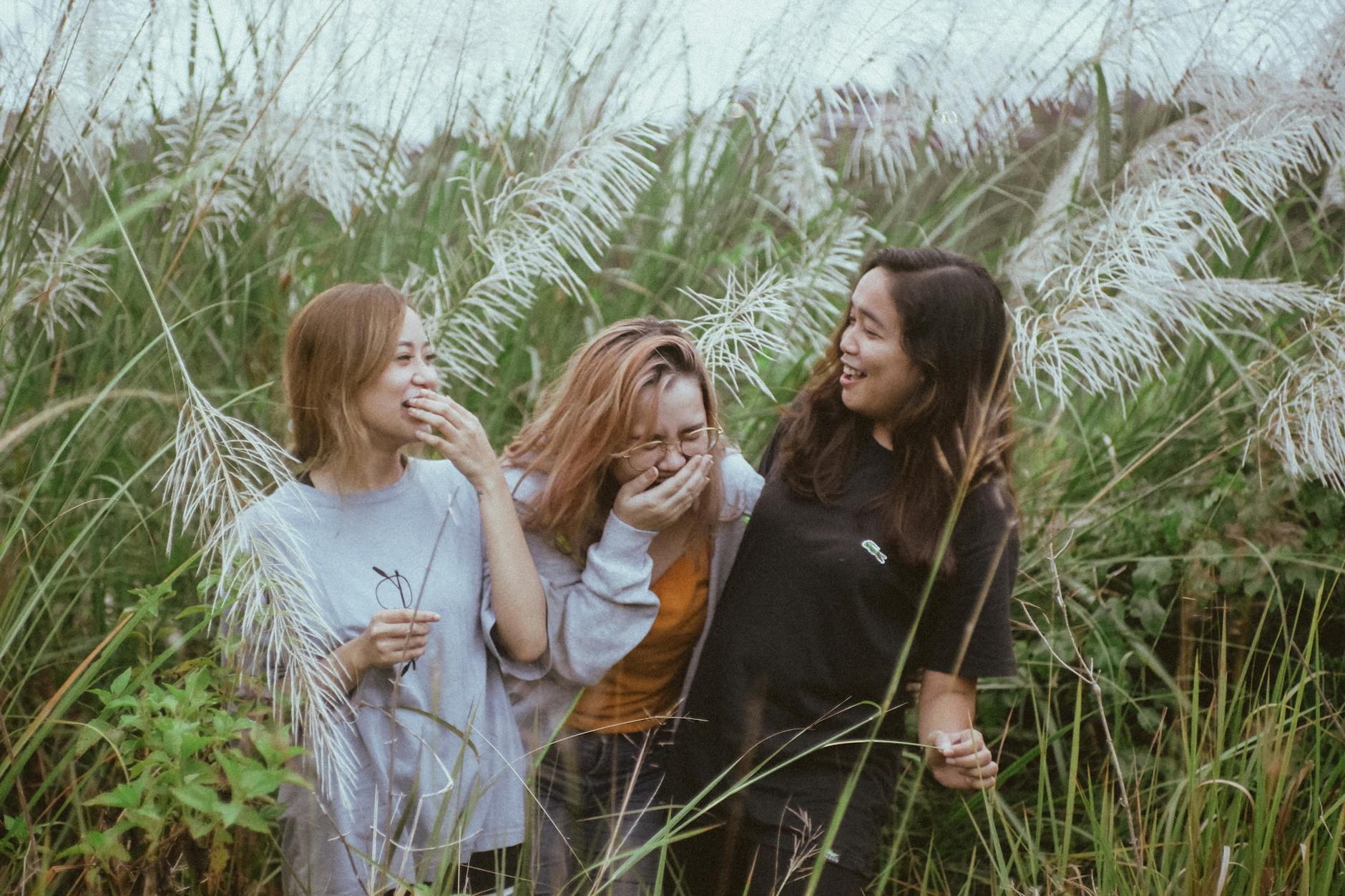
The post-BeReal landscape is defined by intentional privacy and curated intimacy. Apps like Locket Widget succeed because they eliminate the broadcasting aspect entirely – photos go directly to specific friends’ phone screens, creating a sense of personal connection without the performance anxiety of public posting.
Similarly, established platforms are adapting to this trend. Instagram’s “Close Friends” feature has seen dramatically increased usage, with users creating multiple lists for different levels of intimacy. Snapchat, often considered the original “disappearing content” platform, is experiencing renewed growth among users seeking more private sharing options.
The shift extends beyond individual apps to entire social media philosophies. “Finstas” – fake Instagram accounts with limited followers – have evolved into sophisticated private sharing networks. Users maintain these accounts with deliberately small follower counts, typically under 20 people, sharing unfiltered moments without the pressure of maintaining a public image.
New apps are being built specifically around this intimate sharing model. Daze positions itself as an “anti-social social app,” limiting users to eight friends maximum and encouraging genuine documentation rather than content creation. The app’s founder, Willem Simons, explicitly references BeReal’s failure as inspiration for their more restrictive approach.
Platform Adaptation and the Future of Social Sharing
Major social media platforms are scrambling to capture the intimate sharing trend that private photo apps have embraced. Instagram recently expanded its Close Friends features and is reportedly testing even more restrictive sharing options. TikTok has been experimenting with “Friend Mode,” allowing users to create content visible only to selected contacts.
The changes reflect a broader understanding that users want control over their audience size and composition. Rather than broadcasting to all followers, people increasingly want to choose specific friends for specific types of content. This granular control over privacy settings represents a significant evolution from the all-or-nothing sharing models that dominated the 2010s.
However, the challenge for larger platforms lies in monetization. Private sharing generates less data for advertising algorithms and creates fewer opportunities for sponsored content. As BeReal’s struggles with monetization demonstrated, authentic, private sharing doesn’t translate easily into profitable business models.
The solution may lie in subscription models rather than advertising-based revenue. Apps like VSCO and newcomer Daze are experimenting with premium features that enhance private sharing capabilities rather than expanding audiences. This approach aligns user incentives with platform goals – both benefit from more meaningful, private connections rather than broader reach.
Looking ahead, the post-BeReal era appears to be settling into a bifurcated social media landscape. Public platforms like TikTok and Twitter will continue serving as entertainment and information sources, while private photo-sharing apps fill the social connection void that BeReal temporarily addressed but ultimately couldn’t sustain.
The lesson from BeReal’s rise and fall isn’t that authenticity is impossible on social media, but that authentic moments can’t be manufactured or scheduled. The private photo apps now gaining traction succeed because they remove the performance pressure entirely, allowing genuine connection to emerge naturally rather than forcing it through algorithmic prompts. As users continue seeking meaningful digital relationships over public validation, expect this trend toward intimate, private sharing to define the next phase of social media evolution.
Frequently Asked Questions
Why are users leaving BeReal for private photo apps?
Users found BeReal’s “authentic” moments became performative, creating new social media pressure rather than reducing it.
Which private photo apps are gaining BeReal refugees?
Locket Widget, VSCO’s private features, and Daze are seeing significant growth from former BeReal users seeking intimate sharing.