






Sarah Chen never thought she’d spend her Tuesday afternoons teaching a computer how to fix wedding photos. But there she was, feeding thousands of her best shots into an AI system that promised to transform her editing workflow forever. Six months later, what used to take her eight hours now takes two.
Chen represents a growing wave of wedding photographers embracing artificial intelligence to streamline their post-production process. As wedding season peaks and clients demand faster turnaround times, photographers are turning to AI-powered editing tools that can automatically adjust lighting, remove blemishes, and even swap cloudy skies for perfect blue ones.
The shift marks a significant change in an industry built on artistic vision and personal touch. Wedding photography has traditionally been a craft where individual style and meticulous attention to detail set professionals apart. Now, AI is democratizing advanced editing techniques while raising questions about authenticity in one of life’s most documented moments.

Speed Meets Scale in the Wedding Industry
Wedding photographers face unique pressures that make AI editing particularly appealing. A typical wedding generates 800 to 1,500 photos, with couples expecting polished galleries within two weeks. Traditional editing workflows can consume 40-60 hours per wedding, creating a bottleneck that limits how many events photographers can book.
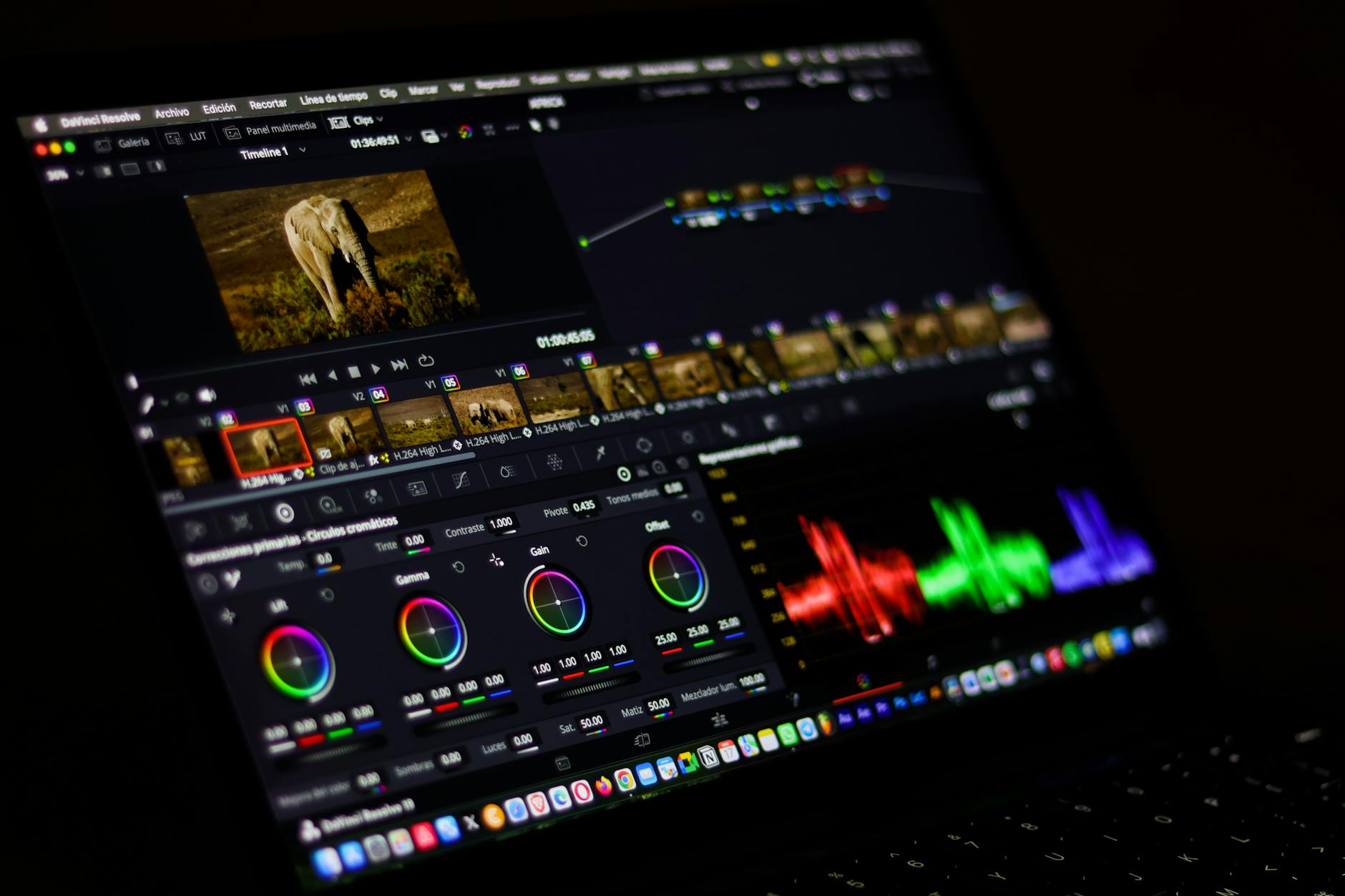
Adobe’s Lightroom introduced AI-powered auto-adjust features in recent years, but newer platforms like Imagen AI and Aftershoot specifically target wedding photographers with machine learning models trained on millions of wedding photos. These systems learn individual photographers’ editing styles, automatically applying consistent color grading, exposure corrections, and basic retouching across entire galleries.
“I was skeptical at first,” admits Marcus Rodriguez, a Los Angeles-based photographer who shoots 45 weddings annually. “But when AI could nail my signature warm tone across 900 photos in 20 minutes, I had to pay attention.”
The time savings translate directly to business growth. Photographers report booking 30-50% more weddings after incorporating AI editing, with some expanding into destination photography markets they couldn’t previously serve due to editing backlogs.
The Technology Behind Perfect Moments
Modern AI wedding photo editing relies on computer vision models trained to recognize faces, lighting conditions, and compositional elements specific to wedding photography. These systems can identify the bride and groom in group shots, automatically brighten underexposed ceremony photos, and even remove unwanted objects like exit signs or photo bombers.
Luminar AI and Skylum’s newer releases include portrait-specific features that smooth skin while preserving natural texture, whiten teeth subtly, and enhance eye brightness. The software can distinguish between the wedding party and guests, applying different enhancement levels based on importance in the frame.
Advanced systems now offer style transfer capabilities, where photographers can train AI models on their portfolio to maintain consistent aesthetic across all delivered photos. The technology goes beyond basic adjustments, learning to replicate artistic choices like selective focus, vintage film looks, and specific color palettes.
“The AI understands context now,” explains Jennifer Walsh, who runs a photography studio in Nashville. “It knows ceremony photos need different treatment than reception shots. It recognizes when someone is crying happy tears versus laughing, and adjusts accordingly.”
Quality Control and Artistic Integrity
Despite efficiency gains, photographers grapple with maintaining artistic control in AI-assisted workflows. Most professionals use AI for initial processing, then manually refine 20-30% of images that require special attention or creative interpretation.
The technology isn’t foolproof. AI systems can over-smooth skin, create unnatural eye enhancements, or misinterpret lighting in challenging conditions like dimly lit churches or outdoor evening ceremonies. Experienced photographers develop hybrid workflows that leverage AI speed while preserving their creative vision for hero shots and emotional moments.
Client expectations add another layer of complexity. While couples appreciate faster delivery times, some express concerns about over-processed or artificial-looking results. Photographers increasingly market their AI use as efficiency enhancement rather than artistic replacement, emphasizing human curation in final selections.
“I tell couples the AI helps me spend more time on the photos that matter most,” says Rodriguez. “Instead of doing basic exposure fixes on 900 images, I can focus on perfecting the first kiss, the father-daughter dance, those once-in-a-lifetime moments.”
Quality control becomes crucial as AI-edited photos populate social media and wedding blogs. Several high-profile wedding photography controversies in 2024 involved over-processed AI edits going viral for the wrong reasons, prompting industry discussions about professional standards and disclosure.
Economic Impact and Industry Evolution
The adoption of AI editing tools is reshaping wedding photography’s economic landscape. Entry-level photographers can now deliver results that previously required years of Photoshop expertise, intensifying competition in mid-tier markets. Established photographers differentiate through storytelling, shot composition, and client experience rather than purely technical editing skills.
Pricing structures are evolving as delivery times shrink. Some photographers offer premium packages with 48-hour turnaround enabled by AI processing, while others reduce base prices due to lower labor costs. The technology particularly benefits photographers in smaller markets who previously couldn’t compete with big-city studios on volume and speed.
Wedding planners report noticing the industry shift, with couples now expecting preview photos within days rather than weeks. This acceleration affects entire wedding ecosystems, as vendors leverage quick photo delivery for immediate marketing on social platforms.
The trend mirrors broader developments in creative industries, where AI tools democratize technical skills while elevating the importance of artistic vision and client relationships. Similar to how celebrities are hiring AI social media managers to handle routine content creation, wedding photographers are automating repetitive tasks to focus on higher-value creative work.

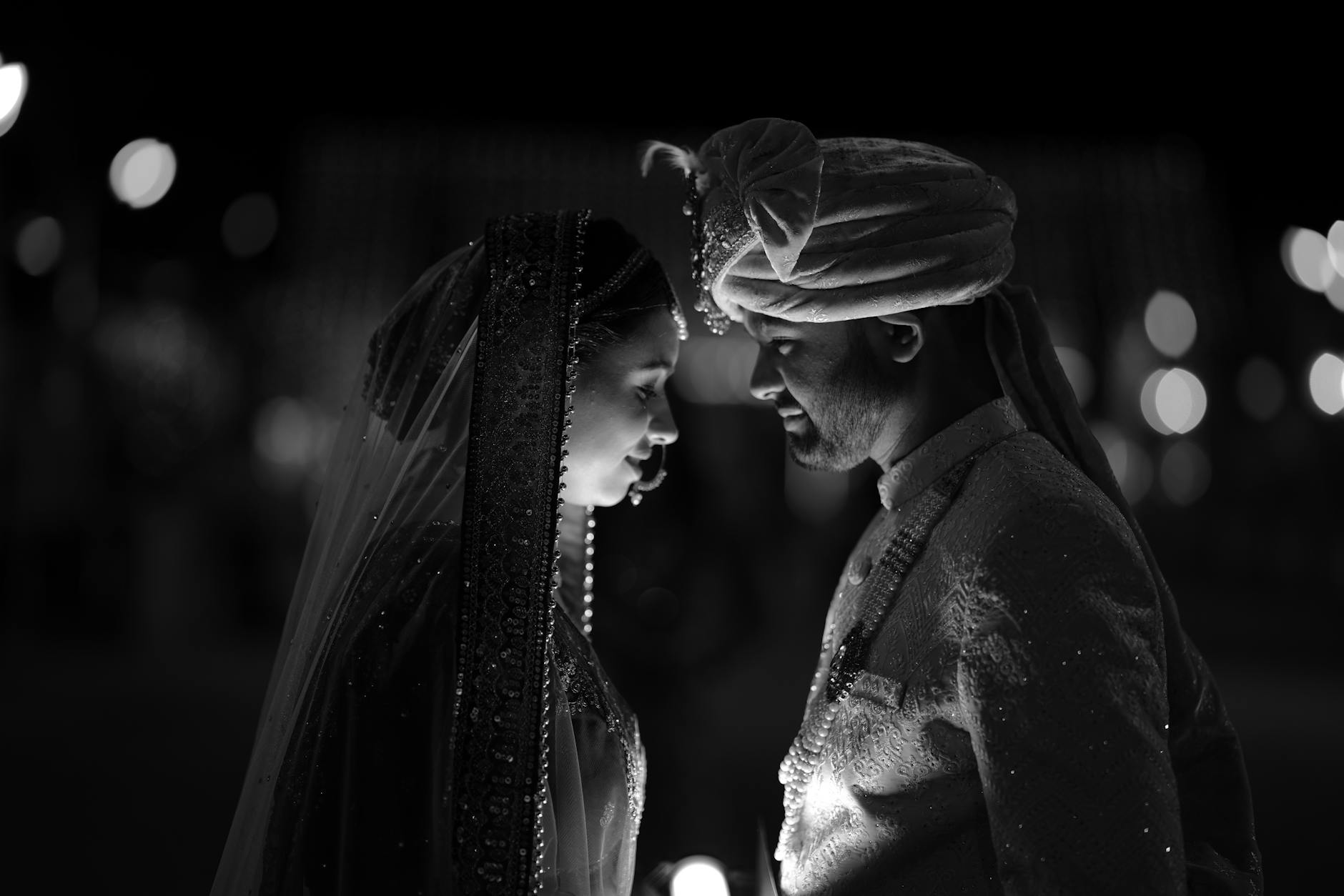
As AI photo editing becomes standard practice in wedding photography, the industry faces questions about transparency, authenticity, and the future role of human creativity in capturing life’s most precious moments. Early adopters are establishing new standards for quality and disclosure, while couples navigate expectations in an increasingly automated creative landscape.
The next phase will likely see AI capabilities expand into real-time shooting assistance and predictive editing based on venue conditions and time of day. For now, photographers like Sarah Chen are finding the balance between technological efficiency and human artistry, delivering perfect wedding memories faster than ever before.
Frequently Asked Questions
How much time does AI photo editing save wedding photographers?
AI editing can reduce processing time from 40-60 hours per wedding to just 2-8 hours, allowing photographers to book more events.
Do AI-edited wedding photos look artificial or over-processed?
Professional AI tools maintain natural looks when used properly, though photographers still manually refine important shots for artistic control.