







Professional kitchens across the country are quietly adopting AI recipe applications, with celebrity chefs and restaurant owners reporting unexpected improvements in efficiency and creativity. What started as a curiosity for tech-savvy home cooks has evolved into serious commercial kitchen tools that analyze ingredient costs, suggest menu modifications, and even predict seasonal demand patterns.
The shift represents a fundamental change in how professional kitchens operate. Unlike consumer recipe apps that focus on simplicity, these AI platforms integrate with inventory systems, nutritional databases, and supplier networks to provide real-time menu optimization. Major culinary schools now include AI recipe analysis in their curriculum, recognizing that tomorrow’s chefs will work alongside artificial intelligence rather than against it.


Beyond Recipe Suggestions: AI as Kitchen Operations Manager
Professional AI recipe platforms like ChefGPT and Whisk for Business have moved far beyond suggesting what to cook for dinner. These systems analyze restaurant inventory levels, predict ingredient spoilage dates, and automatically adjust portion sizes based on current stock. When a shipment of tomatoes arrives with shorter shelf life than expected, the AI immediately suggests recipe modifications that prioritize those ingredients.
Restaurant chains report saving thousands monthly through AI-powered waste reduction. The technology tracks which menu items sell best on specific days, adjusts preparation quantities accordingly, and suggests limited-time specials that use surplus ingredients. Some systems even analyze weather patterns and local events to predict demand spikes.
The integration extends to supplier relationships. AI platforms now connect directly with wholesale food distributors, automatically flagging price changes and suggesting recipe substitutions when key ingredients spike in cost. This real-time adaptation has proven especially valuable during supply chain disruptions that have plagued the industry since 2020.
Creative Collaboration: How AI Enhances Rather Than Replaces Chef Expertise
Contrary to fears about automation replacing human creativity, many professional chefs describe AI recipe tools as collaborative partners rather than replacements. The technology excels at suggesting unexpected ingredient combinations based on molecular gastronomy principles, cultural fusion opportunities, and dietary restriction accommodations.
James Beard Award nominees report using AI to break through creative blocks. When developing seasonal menus, chefs input available ingredients and dietary requirements, then use AI suggestions as starting points for experimentation. The technology identifies flavor compounds that complement each other, suggests cooking techniques from different culinary traditions, and even proposes presentation styles based on visual analysis of successful dishes.
Restaurant consulting firms increasingly recommend AI recipe platforms for menu development. The technology can analyze competitor menus, identify market gaps, and suggest dishes that balance profitability with customer appeal. Some platforms incorporate social media sentiment analysis, tracking which types of dishes generate the most engagement across different demographics.


The collaborative approach extends to staff training. AI recipe platforms generate detailed prep instructions, cooking timelines, and quality control checkpoints that help standardize dishes across different kitchen staff. This consistency has proven valuable for restaurant chains looking to maintain quality across multiple locations while accommodating varying skill levels among cooks.
Data-Driven Menu Engineering
Professional AI recipe applications now incorporate sophisticated analytics that transform how restaurants approach menu engineering. These systems track ingredient costs in real-time, calculate exact food cost percentages, and suggest pricing strategies that maximize profitability while remaining competitive in local markets.
The technology analyzes customer ordering patterns to identify which menu items drive the highest profit margins and which combinations customers order together. This data helps restaurants position high-margin items strategically and create combo deals that increase average ticket size. Some platforms integrate with point-of-sale systems to provide immediate feedback on menu performance.
Seasonal menu planning has become increasingly sophisticated through AI analysis. The technology identifies which ingredients will be most abundant and affordable during specific months, suggests preservation techniques for peak-season ingredients, and even predicts which flavor profiles will trend based on social media analysis and historical data.
Chain restaurants report using AI platforms to test new recipes in simulated environments before rolling them out system-wide. The technology models how new dishes will perform based on ingredient costs, preparation complexity, and customer preference data from similar markets.
Integration Challenges and Industry Adoption
Despite growing enthusiasm, professional AI recipe adoption faces practical obstacles. Many established restaurants operate with legacy point-of-sale systems and inventory management tools that don’t easily integrate with modern AI platforms. The learning curve for kitchen staff varies widely, with some embracing the technology while others prefer traditional recipe development methods.
Cost considerations remain significant for smaller independent restaurants. While enterprise-level AI platforms offer comprehensive features, the monthly subscription fees can strain budgets already impacted by rising labor and ingredient costs. Some restaurant owners question whether the technology provides sufficient return on investment compared to experienced kitchen managers who already optimize operations through intuition and experience.
Training requirements present another hurdle. Effective use of AI recipe platforms requires understanding of data interpretation, inventory management principles, and basic technology troubleshooting. Restaurant owners must balance time spent training staff on new systems against immediate operational demands.
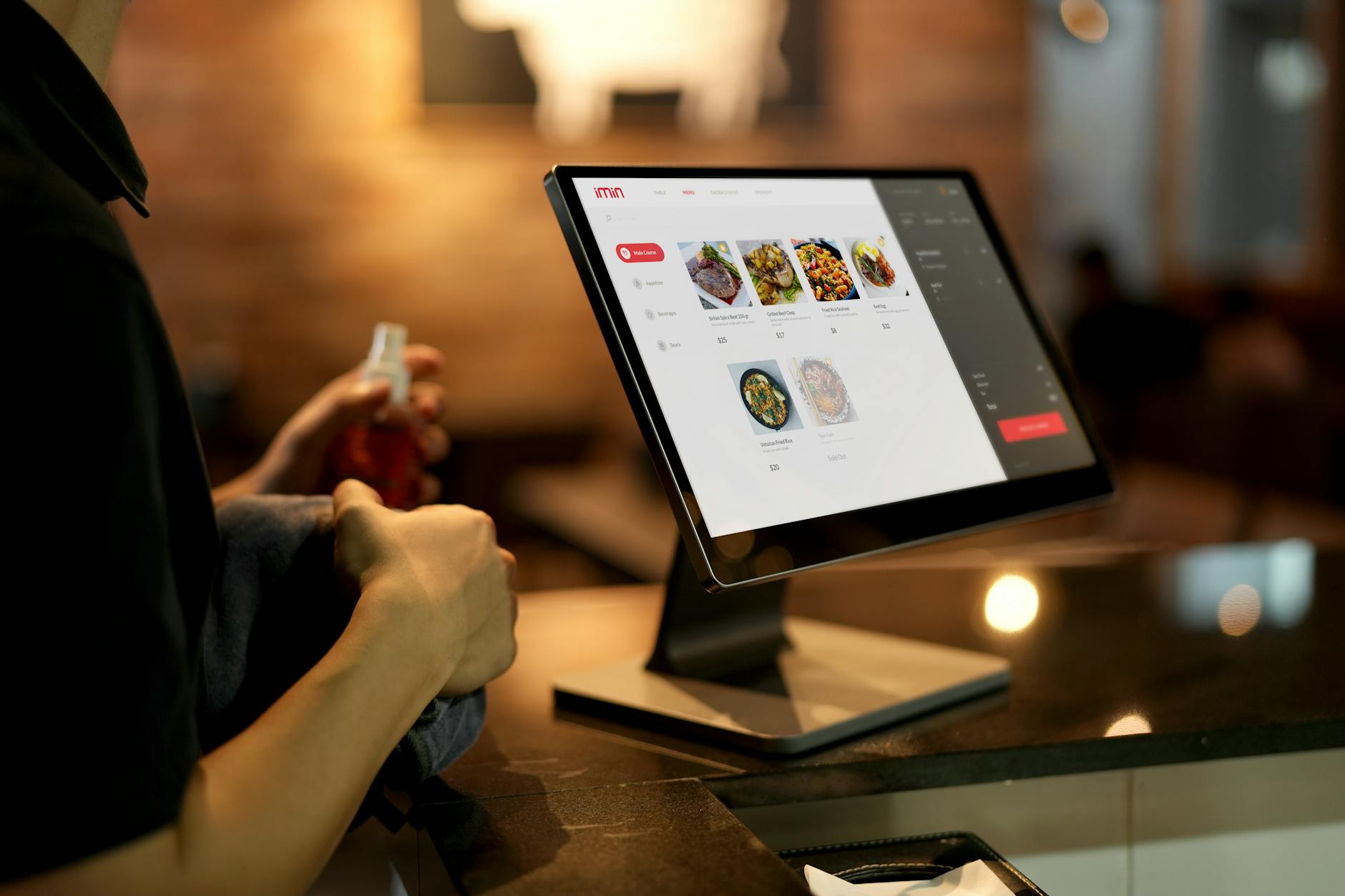
However, adoption rates continue climbing as the technology proves its value during challenging periods. Restaurants that weathered recent supply chain disruptions with AI assistance report stronger confidence in their ability to adapt to future challenges. The platforms that survive and thrive will likely be those that balance sophisticated capabilities with intuitive interfaces that complement rather than complicate existing kitchen workflows.
The culinary industry stands at an inflection point where artificial intelligence becomes as commonplace as digital thermometers or induction cooktops. As luxury hotels embrace AI concierge robots to enhance guest experiences, restaurants are discovering that AI recipe platforms offer similar opportunities to improve both operational efficiency and customer satisfaction. The chefs and restaurant owners who adapt earliest to this technological shift may find themselves with significant competitive advantages in an increasingly challenging industry landscape.
Frequently Asked Questions
How do AI recipe apps help professional kitchens save money?
They optimize inventory usage, predict ingredient spoilage, and suggest menu modifications based on real-time cost changes and demand patterns.
Do AI recipe apps replace chef creativity?
No, they serve as collaborative tools that suggest ingredient combinations and techniques while chefs provide the creative vision and final execution.